Rumors swirled about another expansion in the NHL, and two places about 1,300 miles apart with opposite hockey experiences stepped up to request franchises. On December 6, 1990, Ottawa, Ontario received a franchise again and Tampa Bay received Florida’s first ever franchise. With the addition of the new Ottawa Senators and Tampa Bay Lightning, the 1992-93 season featured 24 NHL teams.
Ottawa had an NHL team called the Senators from 1917 until 1934, and they won the Stanley Cup four times. When financial woes during the Great Depression forced them to move to St. Louis, it took almost 60 years before Ottawa rejoined the NHL. In preparation for a franchise bid, real estate developer Bruce Firestone set up Terrace Investments and West Terrace, a city project including an arena. They also received permission to use the Senators name. Even with all of this, Ottawa was told it was a long shot, but their presentation ended up working. As they prepared for their first season, the trouble started. First, their laptop failed at the 1992 Expansion Draft, and they did not have a paper copy to help them select players. Although they were able to improve the team through trades, they had to muddle through the first season without any superstars. As the team struggled, Firestone caused them to be fined by making comments to the press about deliberately losing. Then his development plan failed, and he was forced to resign. The franchise continued to experience financial difficulties until 2003.
In one of the most southern parts of the U.S., two groups from the Tampa area expressed interest in bringing NHL hockey to Florida. Although the group headed by Peter Karmanos (future Carolina Hurricanes owner) and Jim Rutherford (former goalie) seemed more financially stable, they did not want to pay the $50,000 entry fee. Instead, the other group led by famous hockey brothers Phil and Tony Esposito “did what it took to get the full amount ready.” Naturally, they received the franchise. Although they struggled to get good players from the 1992 Expansion Draft, they had first pick at the 1992 Entry Draft (choosing Roman Hamrlik). Phil Esposito served as general manager and president, while Tony Esposito took over the scouting. The Japanese businessmen that had helped obtain the franchise caused financial issues so that the team was sold to Art Williams. Although he had promised to keep the Esposito brothers, he let them go in 1998.
Both teams won their first game against major contenders. On October 7, 1992, the Lightning defeated the Stanley Cup defenders, the Chicago Blackhawks, 7-3. The very next day, the Senators beat the Montreal Canadiens 5-3. Despite the auspicious beginnings, neither franchise had a good first season, both placing sixth in their divisions. Although, Tampa Bay’s 53 points (23-54-7) was double Ottawa’s mere 24 points (10-70-4).
Since then, the two teams have played 26 seasons. The Senators have made the playoffs 16 times, while the Lightning have made the playoffs 10 times and won the Stanley Cup in 2004. They have played each other in 100 games with the Senators winning 57 and the Lightning winning 41 with two ties. All told, Ottawa currently has 2,076 points (906-844-115-149) while Tampa Bay has 1,980 points (865-900-112-138).
Additional Source:
Stephen Laroche, Changing the Game: A History of NHL Expansion (Toronto: ECW Press, 2014), 347-349 and 358-360.
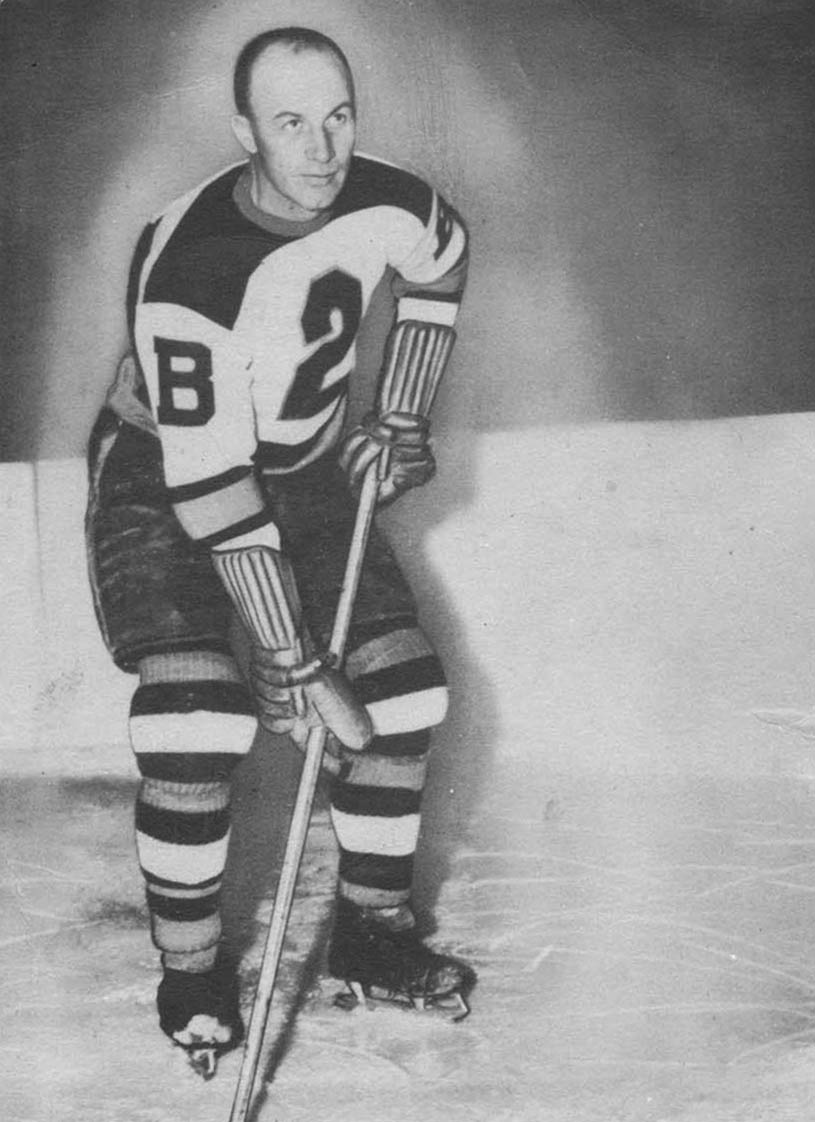
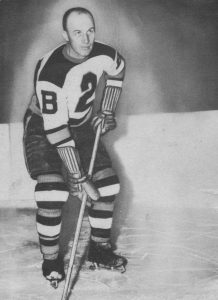
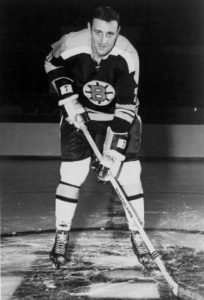
A little over ten years after Eddie Shore set the record for most fights in one game, on December 5, 1939, the famous defenseman played his final game with the Boston Bruins.
The Bruins had just won their second Stanley Cup when Shore wished to retire and purchased the Springfield Indians of the International-American Hockey League. The Bruins had so many players injured they needed him, so manager Art Ross negotiated with Shore concerning the 1939-40 season. According to a statement Ross issued, he “did so under full authority given me by the N.H.L. to make any agreement I felt would be to the best interest of the league, to Boston hockey, and to Eddie Shore, who, while still under contract to the Bruins, had ill-advisedly invested in the Springfield club.” Victor O. Jones summarized for the Boston Globe, “Because the Boston public wouldn’t allow Shore to be tossed around, Eddie first put pressure on Ross to get excused from the road games. That hurt the gate in every N.H.L. city. Then he forced Ross to excuse him from the Bruin’s home games. That hurt hockey in Boston.” Ross spent the first months of the season claiming that he could not release Shore because another NHL team would not waive but would draft him.
Although Shore kept looking for a release, when teammate Wayne Hollett’s 4-year-old son died after a long illness, “Eddie immediately called the Bruins’ office here to express his regrets and offer his services to the B’s in Flash’s absence. Naturally Eddie’s offer was readily accepted.” Before “9800 faithful at the Garden,” Shore received “the wildest ovation of the night.” After the New York Americans scored in the first period, “none other than Mr. Edward Shore, the well-known mogul and commuter, came through in patented style with the first of the B’s markers well along in the second period.” His goal to tie up the game bounced off player Allan Murray and goalie Earl Robertson to land in net. Roy Conacher got the Bruins’ winning goal and then a penalty shot that he missed. That game on December 5th would be Shore’s last appearance for the Boston Bruins.
After Shore helped out the Bruins, Boston kept hoping for his return. After their game on December 12, the Boston Globe mournfully reported: “Evidence that the Bruins will welcome Edmonton Eddie Shore any time he feels like dropping in on them at the Garden was apparent in the B’s dressing room last night. Laid out over the bench where Eddie usually gets into his hockey togs was the battle-worn jersey with ol’ No. 2 on its back. The most famous hockey sweater of all time was there before last night’s game and still there following the final whistle.”
Throughout December and most of January, the Bruins denied that Shore would be traded but also refused to release him. They instead claimed to have loaned him to Springfield. Red Dutton of the Americans offered Ross $20,000 for Shore but was turned down. Then, two weeks later, on January 25, 1940, Ross called up Dutton to offer a trade instead. The next day, the front page of the Boston Globe reported, “Despite recent assertions that he would never play for any other NHL team, the Boston Bruins last night announced that Eddie Shore, one of the greatest players of all time and an idol of the local fans for the past 13 years, had been traded to the New York Americans for right winger, Eddie Wiseman. The Bruins reported no cash was involved. The Americans said there was.” Some bitterness seemed to show in Ross’s telegram to Shore stating, “You have been transferred to the New York Americans hockey club as our final act to satisfy you. Contact Dutton for further instructions.” Dutton commented, “Eddie and I have been friends for years, and I want to do everything possible to help him with his investment in Springfield.” He said he was not sure if Shore would play, but he was sure Shore would never be on Americans’ coaching staff. Shore claimed that Dutton gave him permission “to fulfill his obligations to the Inter-Am League of playing at least one game in each of the minor loop’s cities” in return for playing some “road games for the Americans.” In a phone call to the Globe, Shore said, “I really deeply regret leaving the Boston fans and the team. I never really thought I would wear any other N.H.L. uniform but that of Boston.” As Globe reporter Herbert Ralby summarized, “Thus ended another chapter in the screwy Shore-Bruins controversy.”
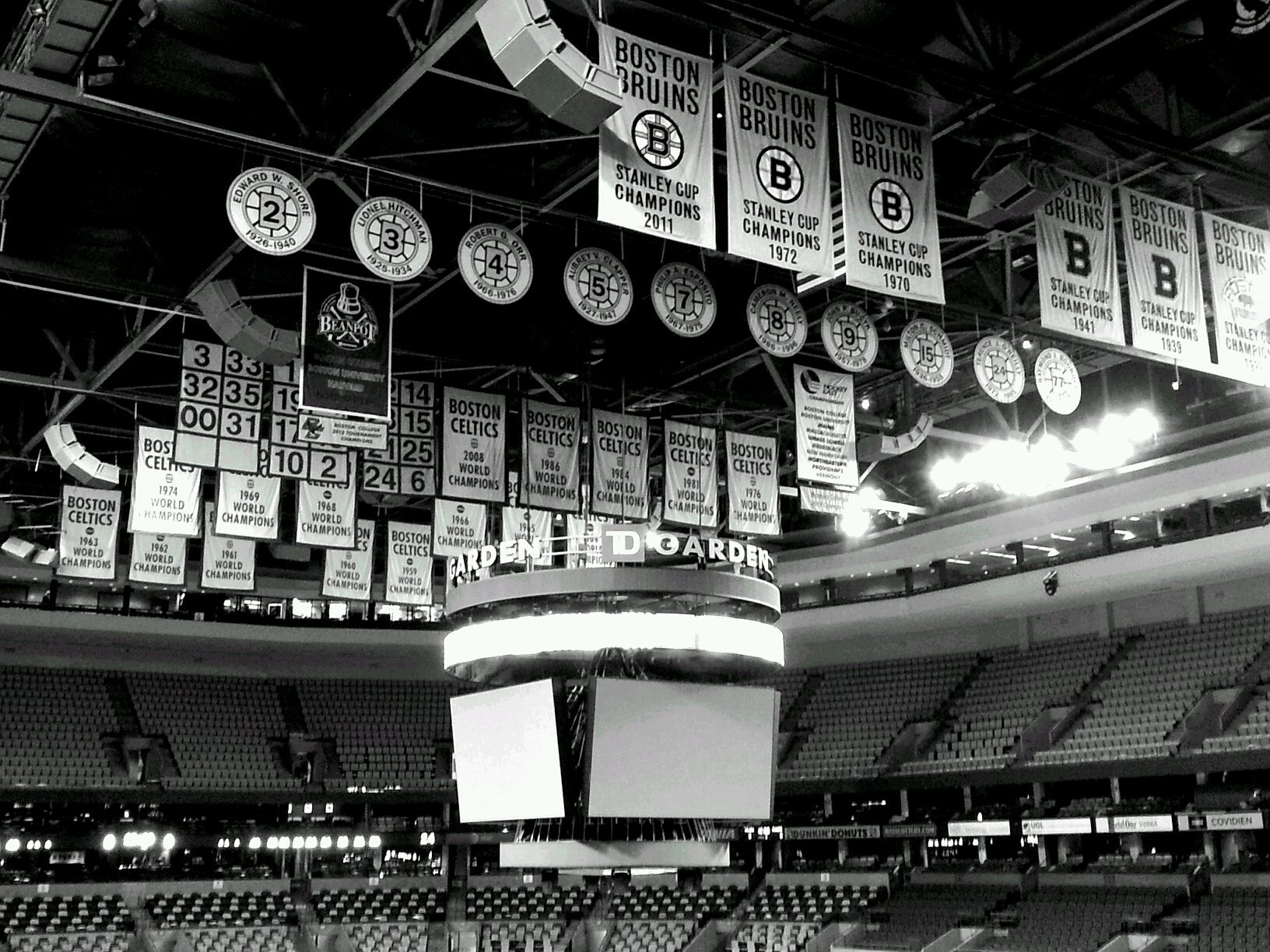
Shore had been an integral part of the Bruins since 1926. As Ralby described him, “He was the sparkplug, the dynamo, and about everything else which made the Bruins go.” Trainer Hammy Moore reminisced, “He was the only player I ever saw who had the whole arena standing every time he rushed down the ice. He would either end up bashing somebody, get into a fight or score a goal.” When Richard Johnson of the New England Sports Museum weighed in, he noted, “When the best player is also the best fighter and the best warrior on the team, that’s an unusual combination. Having the best player in the league playing for an American team had a huge impact.” Shore received the Hart Trophy four times and was inducted into the Hockey Hall of Fame in 1947. Despite their odd ending, the Boston Bruins retired Shore’s No. 2 on April 1, 1947, as only their second sweater retirement.
Additional Sources:
Gerry Moore, “Death of Hollett’s Son Causes Shore’s Return,” Boston Globe, 5 Dec. 1939, p. 9.
Gerry Moore, “Bruins Take Amerks by Score of 2 to 1,” Boston Globe, 6 Dec. 1939, p. 25.
“Shore’s Jersey, O’ No. 2, Lays Over Eddie’s Bench,” Boston Globe, 13 Dec. 1939, p. 22.
Herbert Ralby, “Bruins Trade Edmonton Eddie Shore for Wiseman of the Amerks,” Boston Globe, 26 Jan. 1940, p. 1 and 20.
Victor O. Jones, “What About It?,” Boston Globe, 26 Jan. 1940, p. 20.
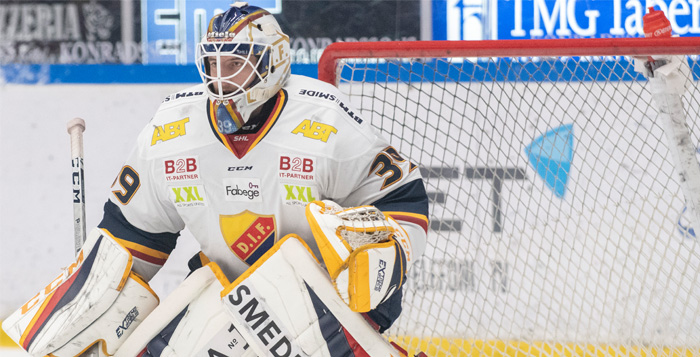
Djurgården Hockey goalie Adam Reideborn. (Photo by Marcus Vilson | Swe Press Photo)
On Monday, December 3, 2018, Team Sweden coach Richard Grönborg presented a 20-player strong group who will represent Team Sweden in the Channel One Cup Dec. 13 – 16 and notable to this, is that eight players are from Djurgården Hockey.
It didn’t come as a big surprise that Swedish Hockey League team Djurgården Hockey was represented by the most players in the national team. Djurgården have been playing well so far this season and most of the players are in good shape. So well in fact, that the coach of Team Sweden, Richard Grönborg, picked eight players to represent Team Sweden.
These are:
Adam Reideborn (goalie)
Jesper Pettersson (defenseman)
Tom Nilsson (defenseman)
Jakob Lilja (forward)
Daniel Brodin (forward)
Marcus Davidsson (forward)
Jonathan Davidsson (forward)
Axel Jonsson Fjällby (forward)
The tournament will be played in Ice Arena and Park of Legends in Moscow, Russia. It will also be played in Hakametsä in Tammerfors, Finland, Dec. 13-16.
The rest of the roster:
Lars Johansson (goalie)
Klas Dahlbeck (defenseman)
Jesper Sellgren (defenseman)
Philip Holm (defenseman)
Lukas Bengtsson (defenseman)
Viktor Lööv (defenseman)
Joel Persson (defenseman)
Petter Emanuelsson (forward)
Joakim Nygård (forward)
Joel Kellman (forward)
Nick Sörensen (forward)
Michael Lindqvist (forward)
John Norman (forward)
Anton Wedin (forward)
Linus Johannson (forward)
Linus Fröberg (forward)
Jesper Boqvist (forward)
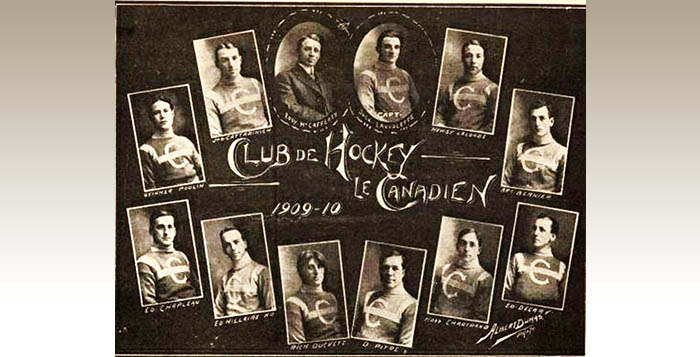
Only one hockey team predated the NHL and has existed for almost 110 years – the Montreal Canadiens. In fact, the Canadiens were at the center of the formation of two hockey leagues – the National Hockey Association of Canada in 1909 and its successor, the National Hockey League, in 1917. Originally known as the Club de Hockey le Canadien, the franchise celebrates its creation on December 4, 1909.
At the end of November 1909, the Eastern Canada Hockey Association (ECHA) held their annual meeting at the Windsor Hotel in Montreal. The Quebec Bulldogs, Ottawa Senators, and Montreal Shamrocks ganged up on the Montreal Wanderers. The other three disapproved of the Wanderers building and using the Jubilee Arena, which they felt was too small and in an inconvenient location. When the Wanderers protested, the other three, as they had planned, dissolved the ECHA and formed the Canadian Hockey Association (CHA). As the Montreal Gazette predicted, “The exclusion of Wanderers from the combination of the clubs formed last week has already started a war that before the end of the season may result in a big shake up in the hockey situation in Eastern Canada.” Sure enough, the owner of the Wanderers met up with the owner of the Renfrew Creamery Kings (who had wanted to join the ECHA), and the two laid the groundwork for their own league, the National Hockey Association of Canada (NHA).
The NHA was announced on December 2, 1909. The Wanderers and the Renfrew club would be joined by clubs from Haileybury and Cobalt. They were planning to have a Toronto club start the following season. The club from Ottawa and the other Montreal Nationals (representing the French Canadian population) debated joining the NHA over the CHA. If the Nationals chose the CHA, the NHA planned to created a “new team called Le Canadien to represent the French speaking population of Montreal.” Naturally, “nearly every Montreal official at the Windsor on Saturday was of the opinion that it was too much hockey” for Montreal to support so many teams. Another effort was made to broaden the CHA to seven teams instead of five so there would be only one league. However, both leagues decided to continue with five teams each. Thus, as the Montreal Gazette summarized:
“Montreal will be the centre of the fight for supremacy between the two leagues. There is no overlapping of territory at any other point on the circuits. In Montreal there will be three clubs holding allegiance to the Canadian Hockey Association and playing at the Arena, namely, All-Montreal, Shamrocks and Nationals, and two holding allegiance to the National Hockey Association of Canada and playing at the Jubilee Rink, namely, Wanderers and Les Canadiens.”
When the NHA met on that Saturday, December 4, “The important business of the meeting was the announcement of the addition of a new club, Le Canadien, with Jack Laviolette, who was present himself, as manager.” The Canadiens’ $1,000 bond was paid to join the league, and $5,000 was set aside for players’ salaries. The Montreal Gazette announced that “To give the new Canadien Club a good chance all the clubs pledged themselves to sign no French-Canadien player until Laviolette has his team complete.” The Canadiens played their first game on January 5, 1910 wearing “dark blue sweaters, with a narrow white band in the middle and an egg-shaped “C” on their chests, sporting fire engine red pants.” They finished their first season just 2-10-0 but have since become the winningest NHL franchise.
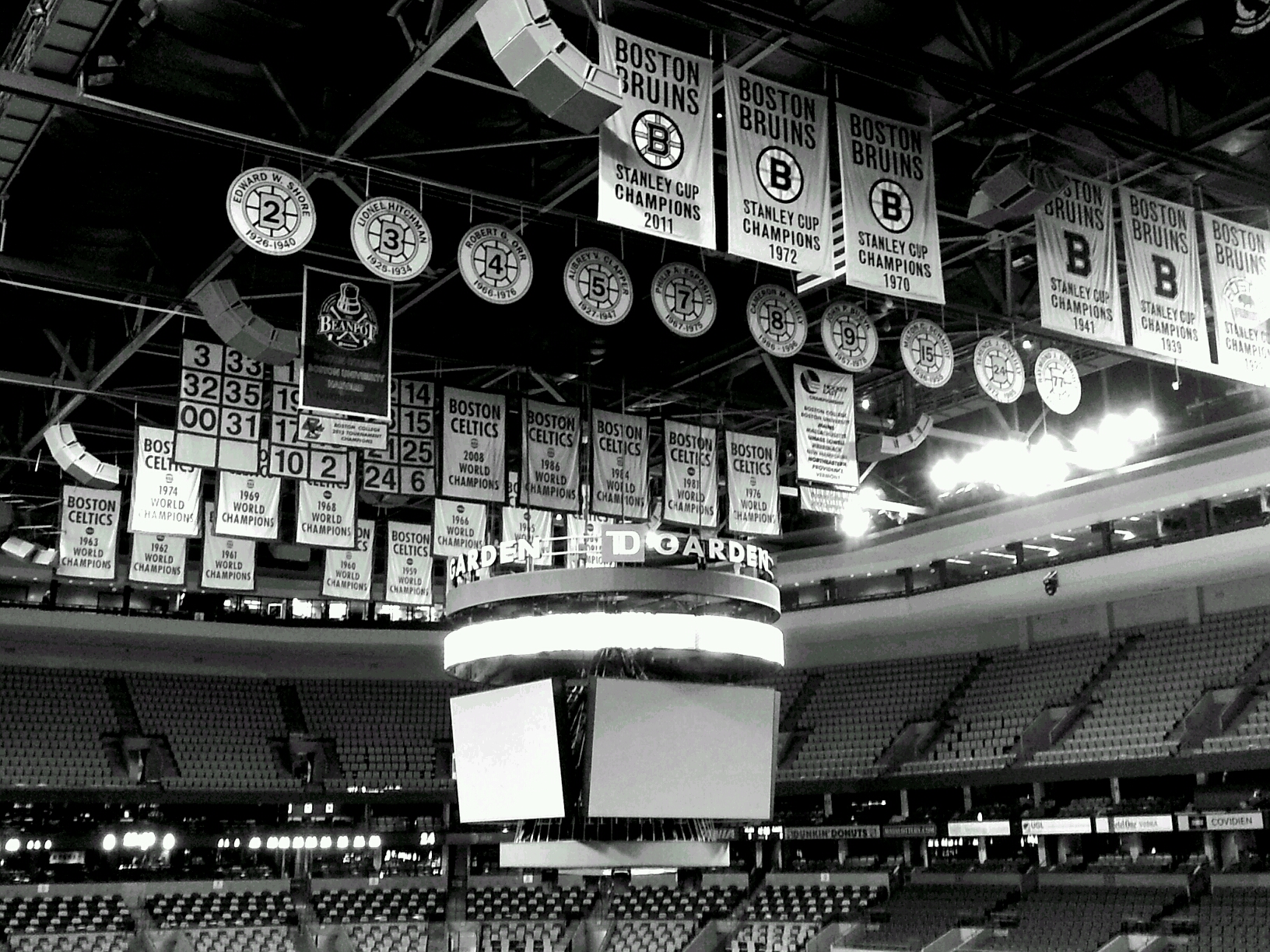
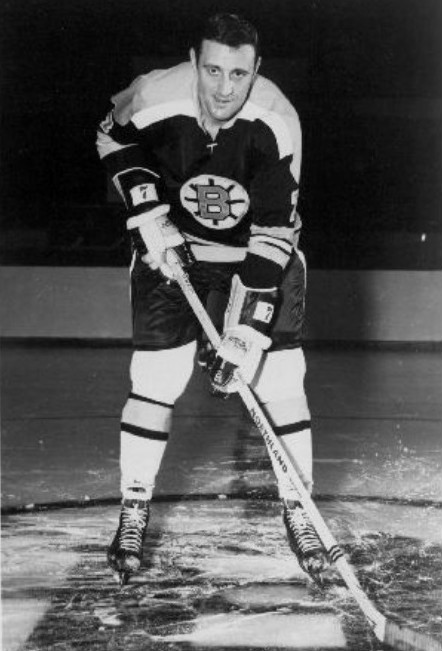
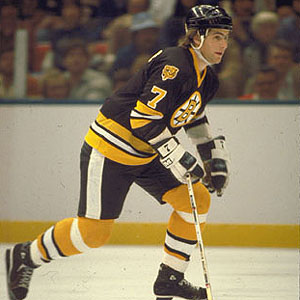
On Thursday (November 29, 2018), the Boston Bruins continued a long tradition of retiring the numbers of their greatest players. Rick “Nifty” Middleton’s No. 16 became the Bruins’ 11th retired number. One of the most memorable sweater retirements in Boston took place on December 3, 1987 – when Phil Esposito’s No. 7 was the 7th Bruins’ number raised to the rafters.
Esposito first donned No. 7 for the Boston Bruins in 1967 after wearing the number with the Chicago Blackhawks since 1963. With the Bruins, Esposito earned the Art Ross Trophy (for top point scorer) five times and the Hart Memorial Trophy (as MVP) and Ted Lindsay Award (as most outstanding player) twice each. With the team, he won the Stanley Cup in 1970 and 1972. To this day, he still holds the Bruins’ record for most goals and most points in a single season (1970-71). Esposito could not keep No. 7 upon being traded by the Bruins to the New York Rangers in November 1975.
Ray Bourque (By Ravenswing [CC BY 3.0], from Wikimedia Commons)
Cue Ray Bourque, drafted by the Bruins in 1979. The 18-year-old expected to be able to keep his No. 29 but found No. 7 at his locker before his first game. He was told not to worry if anyone gave him grief about wearing the number, and fortunately, no one did. Instead, Bourque went on to win the Calder Trophy as best rookie, and he won his first Norris Trophy (of five) in 1987. He still holds Boston’s record for most points and leads the NHL in points for a defenseman. It must have seemed a really lucky number since Esposito and Bourque were so successful, especially at scoring.
It was just a matter of time before the Bruins retired Esposito’s number after he stopped playing in 1981. The night finally came on December 3, 1987, when he was in town coaching the Bruins’ opponent, the New York Rangers. Since Bourque had been made a captain (with Middleton) in 1985, it seemed natural that he was called up to make a presentation. No one but Bourque and the Bruins’ coaching staff knew what he was about to do. He skated over to Esposito wearing No. 7 and pulled off his jersey to reveal another with the No. 77, the number he would wear to his own retirement. Later Esposito shared that Bourque told him, “It’s yours and always should have been yours.” Bourque reveled in the fact that his gesture left Esposito momentarily speechless. When Esposito began his remarks, he told the cheering crowd, “Raymond, who’s one of the greatest players to ever play this game, what this young man did tonight is something that I’ll never ever ever forget no matter what happens in my life.” As the ceremony ended, the No. 7 banner was raised to the organ’s rendition of “Auld Lang Syne.”
The night ended better for Bourque than for Esposito as the Bruins won 4-3. Bourque played for the Bruins until his final season, 2000-01, when he played on the Stanley Cup-winning Colorado Avalanche. On October 4, 2001, Bourque’s No. 77 became the next number retired by the Bruins.
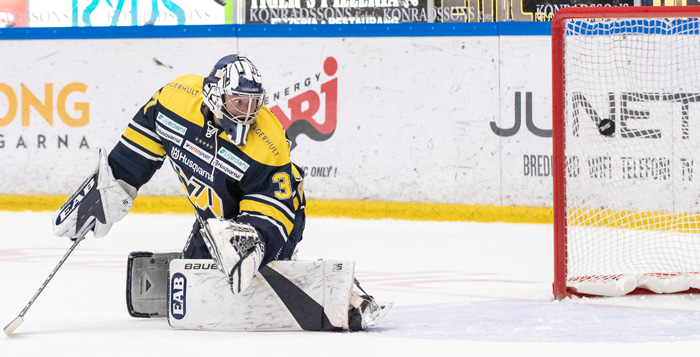
HV71 goalie Jonas Gunnarsson (Photo by Marcus Vilson | Swe Press Photo)
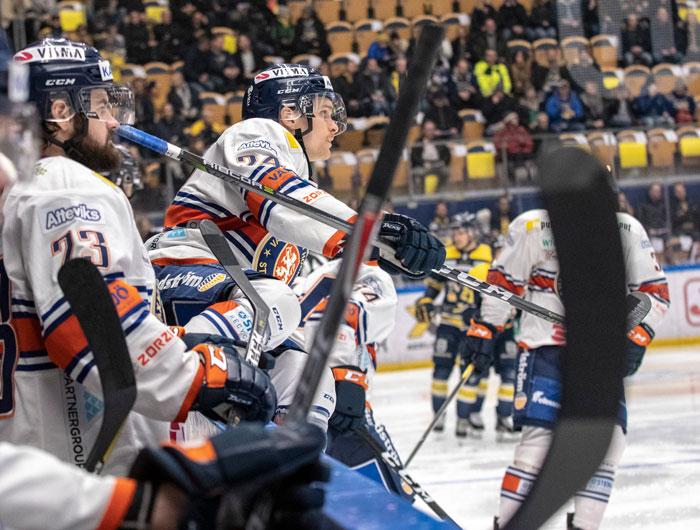
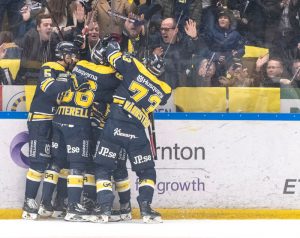
HV71 won their second straight game during Saturday evening as they defeated the reigning champions Växjö Lakers in an intensive rivalry game, but after 60 minutes of play the team from Jönköping, Sweden had beat Växjö 4-2.
It was a tough and intensive rivalry game game in Kinnarps Arena, home of HV71 during Saturday evening as they played against reigning champions Växjö Lakers. A game where HV71 got a great start when they scored the go ahead goal after 06:26 played of the first period. With a little bit of luck though as the puck bounced off a defender. HV71 didn’t show any signs of slowing down and pushed the visitors back in their own zone and made Lakers goalie, Viktor Fasth work hard. The home teams hard work paid off yet again when forward Markus Ljungh placed the puck behind Fasth.
Brendan Shinnimin (Photo: Marcus Vilson | Swe Press Photo)
In the second period, Växjö came out and I don’t want to know what head coach Sam Hallam said in the locker room, but Växjö tightened their game and started to look like the champions they are. Brendan Shinnimin got his fast skating back and caused some trouble for the home team. And with 11:09 minutes played in the middle act, Växjö reduced HV71’s lead to 2-1 and who scored? Brendan Shinnimin. After the Växjös goal the game started to go north and south and the teams took turns creating chances, but there were two great goalies in the net. HV71 made it 3-1 before the end of the period.
HV71 Celebrates (Photo: Marcus Vilson | Swe Press Photo)
In the third period Växjö had to do something to prevent another loss against their rivals. But HV71 played a good disciplined game the whole 60 minutes and made it hard for Växjö. Växjö did score another goal (3-2) by Julius Junttila, but as the visitors pulled Viktor Fasth and to go with six players HV71s’ Anton Bengtsson scored an empty netter with only 38 seconds left of the game.
Analysis of the game
HV71 had a rough start to the season and only a few days ago, they fired head coach Johan Lindbom and replaced him with Stephan “Lillis” Lundh. Who was previously the assisting coach. After Lundh took charge, HV71 seems to have found something and in yesterday’s game against the Växjö Lakers the team from Jönköping got their second straight win. The game play are more intense, speedier and disciplined. The defensive play seems to be more in order and, above all, each player knows his role. And it was all this that made HV71 look bigger, more creative and more disciplined than their opponents.
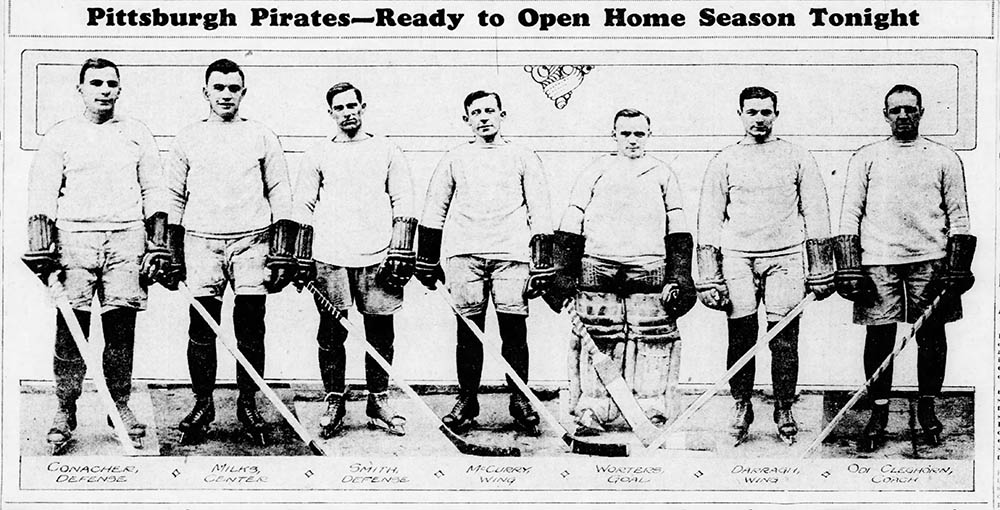
A year and a day after the Boston Bruins and Montreal Maroons played their first game, on December 2, 1925, the New York Americans played their first as a franchise. The Amerks scored their first two goals and earned their first win, while their opponents, the Pittsburgh Pirates, played their first home game and experienced their first loss.
Bootlegger William Dwyer had a role in the beginnings of the two newest NHL franchises, New York and Pittsburgh. First, he paid out Tom Duggan (owner of Mount Royal Arena in Montreal) for the New York option, which was approved on April 17, 1925. Then, he partnered with attorney James F. Callahan, who had purchased the Pittsburgh Yellow Jackets of the U.S. Amateur Hockey Association. The Pittsburgh franchise was approved November 7, 1925.
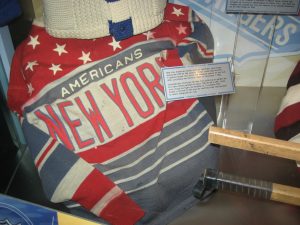
Both cities had had rinks and amateur hockey clubs since the 1890s, but as of 1925, they would have professional NHL teams. The new team names were nods to their local professional baseball teams, the New York Yankees and the Pittsburgh Pirates. The Americans were able to stock their squad with players who had been suspended from the Hamilton Tigers (for striking), and the Tigers left the NHL in September. Meanwhile, the Pirates were able to keep many players from the Yellow Jackets and even decked them out in the same colors of black and gold.
The Pirates began their debut season on the road. They won their first game 2-1 and then won their second after Georges Vezina played his final 20 minutes in the NHL. As the Pittsburgh Post-Gazette rightly gloated, “Fresh from brilliant and unexpected triumphs in the hostile domains of the Boston Bruins and Canadiens of Montreal, the mighty Steel City sextet returns to historic Duquesne Garden to stage a home debut and to offer Pittsburgh fans their initial taste of modern professional hockey.” The day before the game, the Americans arrived in Pittsburgh and stayed in a hotel very close to the arena. “A day of rest left the sticksters primed for a stiff workout at the Garden last evening,” noted the Post-Gazette.
By Nhl4hamilton | Chit-Chat [Public domain], from Wikimedia Commons
Over 8,000 spectators came to watch as “with much hubbub, but without ceremony, Pittsburgh took its first slant at professional hockey at Duquesne Garden.” Although the Pittsburgh reporters felt that the Pirates outplayed the Americans, Billy Burch scored first for the Americans 6:12 into the second period. About three and a half minutes later, Lionel Conacher evened the score. “Throughout the third period the play waged consistently about the New York goal,” Chester L. Smith recapped. “The period ended in a 1-1 deadlock and the sextets changed goals to play to ‘sudden death’ or whoever first scored.” Smith claimed that the end came “quite unexpected, for the visitors were playing with five men.” The Americans Charlie Langlois “sallied craftily to and past mid-ice, flashed quickly to Worters’ right and before the Pirate defense could get in front of him, had sunk the washer and the melee was over.” That was just the start of the Americans’ season and four straight away games. They lost their home opener, on December 15, to the Montreal Canadiens.
The Pirates fared better than the Americans that season. With 39 points (19-16-1) they finished third of seven teams, just good enough to make the playoffs. The Americans earned 28 points (12-20-4) to finish fifth.
Neither team made it to the Original Six era. The Pirates played through the 1929-30 season only making the playoffs once more. They tried moving to Philadelphia (to play as the Quakers), but their truly terrible record (4-36-4) made the 1930-31 season their only one. They officially folded in 1936, but both Pennsylvania cities got teams in the 1967 expansion.
As for the Americans, they had to face competition from the New York Rangers, who began playing at their rink, Madison Square Gardens, in 1926. Unlike the Rangers, the Amerks usually placed fourth or fifth and only made it to the playoffs five times during their 18 seasons. The competition for ticket sales and the loss of Dwyer’s revenue after Prohibition ended led Dwyer to attempt to sell the team in 1935-36. When he couldn’t find a buyer, he abandoned the team, and the NHL took control. Although Red Dutton eventually took the reigns, he couldn’t manage the debt and had to sell most of their top players as WWII began. He tried changing the name to the Brooklyn Americans with the intention to move there but had to suspend operations instead. When he was ready to build a rink in Brooklyn after the war in 1946, the NHL chose not to let the Americans back in the league. The teams that had begun together in 1925 officially were made defunct ten years apart, in 1936 and 1946.
Additional Sources:
Stephen Laroche, Changing the Game: A History of NHL Expansion (Toronto: ECW Press, 2014), 23-34.
“Pro Hockey Season Opens At Garden Tonight,” Pittsburgh Post-Gazette, 2 Dec. 1925, p. 13-14.
Chester L. Smith, “Pirate Sextet Beaten by New York, 2-1,” Pittsburgh Post-Gazette, 3 Dec. 1925, p. 13-14.
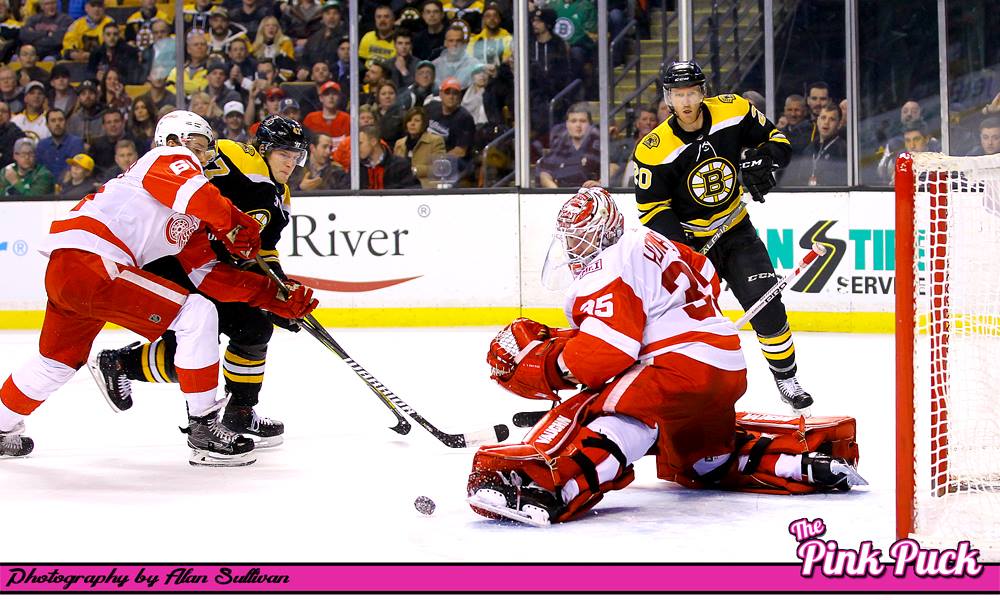
It was obvious from the first puck drop on Saturday night, December 1, 2018, that the Detroit Red Wings were not going to go quietly into the shadows and play dead. While the last match up between them and the Boston Bruins at the TD Garden, back in October, saw the Bruins light the lamp eight times, it was clear that this time the Red Wings were going to make sure that didn’t happen again.
And while the Red Wings were working smarter and harder, it seemed that the Bruins struggles continued when it came to bounces and puck luck. Though ultimately, they had been able to get the win against the New York Islanders on Thursday with Ryan Donato’s shoot out goal in the fourth round, that game had not been the cleanest of their season, and many of their attempts on net just stubbornly refused to go in.
Saturday night, some of those puck bounces were still there, but it appeared that the team was struggling in other areas, which seemed to include communication and a lack of speed throughout much of the first two periods.
Almost none of the goals scored in the game were pretty. Many of them went in off deflections. Just as the first period was winding down, with 3.8 seconds remaining on the clock actually, David Backes was able to put the Bruins on the scoreboard first. Such a timely goal with just seconds to spare usually affects the other team as they come out in the next period. Such was not the case for the Bruins. The Red Wings continued to stymie them as Boston tried to gain entry into the offensive zone.
Jeremy Lauzon battles Tyler Bertuzzi
For their part, the Bruins were not doing a good job of managing the puck either in the defensive end or while on the offensive.
“There was some bad and some pushback and we got ourselves back in the game. And then we failed to manage the puck in the third, two veteran guys in the neutral zone on a simple breakout where we should’ve reversed the puck. It’s one of our go-to plays in our breakouts and whether it wasn’t communicated, or we didn’t see it. We lost some battles on the wall that hurt us in d-zone as well, but that’s going to happen. We’ve got some young wingers that are learning their way, but there was fire in the group. I don’t think we had a lot of luck around the net again tonight. I don’t know if whether this is now becoming a thing for us where we can’t finish around the net or it’s one of those cycles we’re going through. That can probably be debated both ways,” Bruins head coach Bruce Cassidy said.
The second period saw much of the same in regard to the handling of the puck for the Bruins, but things between the two teams were definitely getting chippier. With 4:52 remaining in the middle frame, Detroit’s Luke Witkowski laid a solid, and clean, hit on David Krecji in the neurtral zone. It was almost in the exact same place Krejci took a big hit (that caused him to lose a tooth) in Thursday’s game against the Islanders. Joakim Nordstrom took exception to the hit and decided to let Witkoswki know of his displeasure. It really wasn’t much of a fight, but with their tough guys all out with injuries, Nordstrom’s willingness to stand up for Krejci did set a new tenor to the game.
Approximately two minutes later, another couple of clean hits served to be the match that ignited a line brawling powder keg. Everyone grabbed a partner and even Tuukka Rask came out of his crease when he saw Jimmy Howard, Detroit’s net minder for the night, grabbing someone in a black and gold sweater. The donnybrook obviously woke up the Bruins. Boston ended up on the penalty kill when all the penalties were meted out, and Detroit capitalized on that power play, but the feistiness did do one thing—it woke up the Bruins.
“I thought it kind of woke us up a little bit. We dominated that third period. That was tough that they got a bounce to go their way. We had a few go against us, but Nordy [Joakim Nordstrom] did a phenomenal job stepping up there and kind of set the tempo. We went out after that, and it was a little more physical, but I thought it kind of woke us up in the third there,” Brad Marchand said.
The Bruins came out in the third looking like the team that usually takes to the ice. They were energetic, playing smart hockey, clogging up the neutral zone, and generally playing strong. Donato got the equalizer while the Bruins were on the power play.
A deflection by Frans Neilsen at 11:53 of the third, despite Boston’s being the stronger team up to that point in that period, seemed to affect the Bruins more than they would likely care to admit. And then Detroit put the final dagger in, when Gustav Nyquist put the puck in the empty net with 27 seconds remaining in regulation.
For the Bruins, it is back to the drawing board to see what they could do better. For Detroit, they celebrated their win—having lost the previous seven straight games played in Boston.
The Bruins will regroup and remind themselves that each man on the team has a role and all must pull their weight. They will have a short field trip to Florida in the coming week, where they will take on the Florida Panthers on Tuesday and the Tampa Bay Lightning on Thursday before returning to TD Garden to host the Toronto Maple Leafs on Saturday.
On Saturday night, December 1, 2018, Boston Bruins defenseman Charlie McAvoy met with media to discuss his health and his progress since being diagnosed with a concussion. He had recently begun to get back on the ice and obviously everyone, including himself, is anxious for his return to the lineup.
The Bruins are no stranger to players with concussion and have a solid protocol in place. Unlike other injuries that involve bones, muscles, and ligaments, there is no set timetable for when a player may be ready to get back into a game when they are recovering from a concussion.
Unlike many players who end up concussed, there was no dirty hit to McAvoy’s head or a hit from behind that threw him into the boards. And he certainly didn’t lose consciousness while on the ice during a game.
“I know that after that game in Edmonton [October 18, 2018], following that game was when I spoke to the trainers and the doctors, and that was when we made the decision to come back to Boston and get it looked at further,” McAvoy said.
This is the first concussion that McAvoy has had and, as such, he wasn’t prepared for the symptoms he was experiencing and perhaps as a result was a little unsure as well as frustrated with how his body was responding.
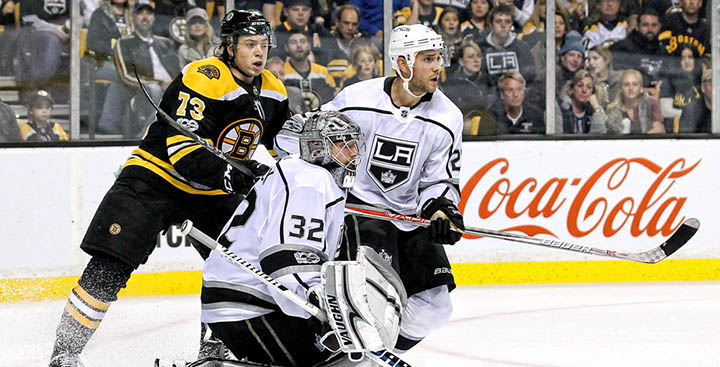
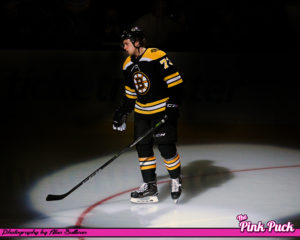
“Well, it’s been an experience for me, for sure, going through it for the first time, kind of learning more about it as I go,” McAvoy explained. “Unfortunately, I would have loved to have not gone through it, but nonetheless, it’s been an experience for me, and I’m learning a lot of valuable things.”
One of the symptoms that was obvious for McAvoy was a vestibular issue that was affecting his balance. There had been speculation by some out of the loop that perhaps he had vertigo. However, it has now been confirmed that the vestibular issues are a result of the concussion.
“You get a hit like this, and it’s able to really throw you off in that regard, and you get a concussion. As far as vestibular goes, it’s really kind of reteaching your brain to handle certain activities that can bring on certain symptoms, like dizziness or kind of feeling out of it, stuff like that. So, this is basically that concussion rehab that I alluded to, reintroducing these things to my brain. Actually, one of the things I heard is my brain is out of shape. So, it’s kind of teaching those things, reintroducing them, and things are going well right now,” he said.
“My brain is out of shape.” — Charlie McAvoy
Because there is no set timetable when recovering from a concussion, perhaps the hardest thing for the patient—especially a hockey player who is used to certain things like exercise, skating, playing the game, and interacting with his teammates—is the need to take recovery one day at a time, which can feel like an eternity. But patience is critical in order to give the brain all the time it needs to heal.
“It’s a lot, and at times, it can really consume you. Being my first time going through it, I’ve felt certain emotions with it, and it’s really tough, but I’m very fortunate to have such a good support system. Obviously, my family, they’re always there for me, but just the pointers I’ve gotten from guys like [Patrice Bergeron] and other guys on the team that have gone through concussions—Don Sweeney and all of the trainers and the doctors, they’ve kept me in great spirits, kind of acknowledging that it’s my first time, and a lot of this stuff is new to me. But it’s been an educational process for me. Things are going really well, and I’m so excited to get back with the team,” McAvoy described.
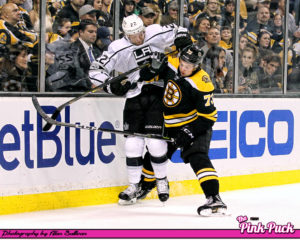
While the defenseman would certainly have preferred not to have gotten the concussion, he understands that the physicality of hockey does make the possibility of injury more likely. Of course, this doesn’t mean that head shots should just be expected and accepted in the game. Nor does he believe that he can prevent such injuries.
“It’s the game we play. It’s the best game in the world and I wouldn’t trade playing this game and playing in this league for anything. This is my dream, and I think that these things tend to happen. It’s just like my knee last year; these things happen. It’s a game, unfortunately, where sometimes you can’t avoid injury, but I think with the style of play I have, hopefully avoiding injury is something I’ll be able to do here in the future,” he answered.
Perhaps the most important take away with regard to the young 2016 first round pick (14th overall)—after all he is only 20 years old—is that there is a concussion protocol that identifies the brain injury and then helps the player to recover. Had this happened a few years ago, it is very possible that given the symptoms he has been displaying, especially the vestibular issues, it could very well have signaled the end to his career. While some may argue that it is sad that there even has to be a concussion protocol, in McAvoy’s case, his ability to return to the game he loves and the career he has worked so hard to attain is because of this better understanding of such brain injuries.
When the U.S. finally joined the NHL in 1924, the first American team came in holding hands with a second team from Montreal, Canada. The NHL had begun in Montreal in 1917 with two Montreal teams, but after their rink burned down in 1919, the Montreal Wanderers folded. In 1924, the NHL expanded its franchises for the first time. Boston and Montreal, for $15,000 each, were granted franchises on October 11, which was made official on November 1. A month later, on December 1, 1924, the two teams played each other for their first game – the first professional hockey game by a U.S. team and at Boston Arena (now Matthews Arena and home to the Northeastern University Huskies).
For the Boston franchise, the first in the U.S., Charles Adams, head of the First National Stores grocery chain, made it through the controversies and lawsuits entangling the sale. Adams hired Art Ross to manage and coach the new team, and Ross stayed for the next 30 years. The two chose the name Bruins because the uniforms would be brown and yellow, the colors of the grocery chain. In describing this, the Boston Globe reported, “The Boston uniforms will be brown with gold stripes around the chest, sleeves and stockings. The figure of a bear will be worn below the name Boston on the chest.”
In preparation for their first season, Ross gathered his players (“well equipped in every position”) to take the train to Boston in mid-November. He put them through “vigorous workouts” and “intensive training” for ten days. Ross informed the Boston Globe that he “had the squad working out each day at the Arena. He demands that players be in the best physical condition, and believes Bostonians will be surprised at the speed his boys will show on their first appearance.” The Bruins played a Thanksgiving Day exhibition game against the Saskatoon Sheiks, which they lost 2-1. According to the Globe, “The crowd with all the players practically strangers, was most interested in becoming familiar with the men.”
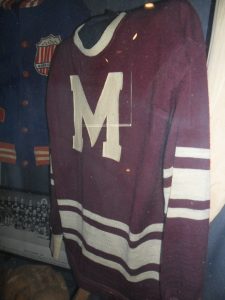
As for the new Montreal franchise, most of the entrance fee went to the Montreal Canadiens, and they also spent a lot on attaining top players. According to John J. Hallahan of the Boston Globe, the new team was “ recruited for the purpose of upholding the English speaking race against the Canadiens, the Stanley Cup title holders, who are of French extraction.” The team, though headed by James F. Strachan, could not use the name Wanderers, so at first they simply were called the Montreal Professional Hockey Club. Their sweaters were maroon, so by the start of 1925, the press had taken to calling them the Maroons.
As Montreal had two professional teams, they had some issues deciding who would play in the Mount Royal Arena versus the new Forum. Throughout November, the Montreal Gazette noted, “rapid progress has been made in the work of finishing up the Forum and putting it in shape for the opening of the professional hockey season.” The Maroons began practicing there around November 25. When season tickets went on sale for the Forum, the “many queries for boxes and reserved seats” showed an uptick in interest. Though the two Montreal teams would be competing against each other for fans as well as in the standings, they began practicing together with a public scrimmage.
Both the Boston Bruins and the Montreal Professional Club (Maroons) seemed ready to start their season on December 1, 1924. For the paper that day, Hallahan advertised, “An idea of real professional hockey will be given tonight when Boston makes its start in the National Hockey League series at the Arena.” After the game, he judged that “every one of the fairly good sized crowd was pleased” but that it was too soon to judge “just how well professional hockey will go in Boston.” Although Charles Dinsmore scored the first goal for Montreal, that was followed by Boston’s first two goals as a franchise (scored by Smokey Harris then Carson Cooper). According to Hallahan’s report, “Many penalties were dealt out by referee Mike Rodden, of Toronto, and no rough stuff was permitted to go unpenalized.” With the win, he felt that “Boston looks to have the making of a team that later will be battling with the other clubs for supremacy.” Finally, he summarized, “There was plenty of action last night, and if all that has been heard and said of professional hockey is to be believed – and there is no reason for doubting it – the sport should be made a success.”
The rest of their first season was not so auspicious for the Bruins. Though they had a tie record (of 3-3) versus the Maroons, the Bruins finished in last with 12 points (6-24-0). The Maroons came in just ahead of them with 20 points (9-19-2). At the time, as the Boston Globe listed, “St. Patrick’s, Ottawa, Hamilton Tigers, Canadiens, Montreal Pros and Boston make up the league that hopes later to keep the world’s title in the East against the attempts of the Northwest to lift the Stanley Cup now held by the Canadiens.” The Maroons won their first Stanley Cup in 1926, and the Bruins earned their first in 1929. Due to the Depression of the 1930s and having to compete with the Canadiens for ticket sales, the Maroons halted play after the 1937-38 season and officially folded in 1947. The Boston Bruins, on the other hand, are still going strong having won their most recent Stanley Cup in 2011.
Additional Sources:
Stephen Laroche, Changing the Game: A History of NHL Expansion (Toronto: ECW Press, 2014), 7-22, and 412.
“Canadiens to Open at Home; New Club Starts At Boston,” Montreal Gazette, 3 Nov. 1924, p. 16.
“Boston Pro Team To Be The Bruins,” Boston Globe, 14 Nov. 1924, p. 19.
“Hockey Starts Thursday Night,” Boston Globe, 24 Nov. 1924, p. 8.
“Bruins Ready for Campaign,” Boston Globe, 24 Nov. 1924, p. 17.
“Practices Start at Forum Today,” Montreal Gazette, 25 Nov. 1924, p. 16.
“Good Impression Created by Local Pro Hockey Squads,” Montreal Gazette, 27 Nov. 1924, p. 16.
“Boston Bruins Lose in Opener,” Boston Globe, 28 Nov. 1924, p. 14.
John J. Hallahan, “League Hockey Start Tonight,” Boston Globe, 1 Dec. 1924, p. 8.
John J. Hallahan, “Bruins Win in League Opener,” Boston Globe, 2 Dec. 1924, p. 12.
John J. Hallahan, “It’s Hard to Say Just How Well Professional Hockey Will Go in This City,” Boston Globe, 2 Dec. 1924, p. 22.
“Montreal Beaten in Opening Game at Boston, 2 to 1,” Montreal Gazette, 2 Dec. 1924, p. 16.
“Boston Here Tomorrow,” Montreal Gazette, 2 Jan. 1925, p. 12.


 “Well, it’s been an experience for me, for sure, going through it for the first time, kind of learning more about it as I go,” McAvoy explained. “Unfortunately, I would have loved to have not gone through it, but nonetheless, it’s been an experience for me, and I’m learning a lot of valuable things.”
 While the defenseman would certainly have preferred not to have gotten the concussion, he understands that the physicality of hockey does make the possibility of injury more likely. Of course, this doesn’t mean that head shots should just be expected and accepted in the game. Nor does he believe that he can prevent such injuries.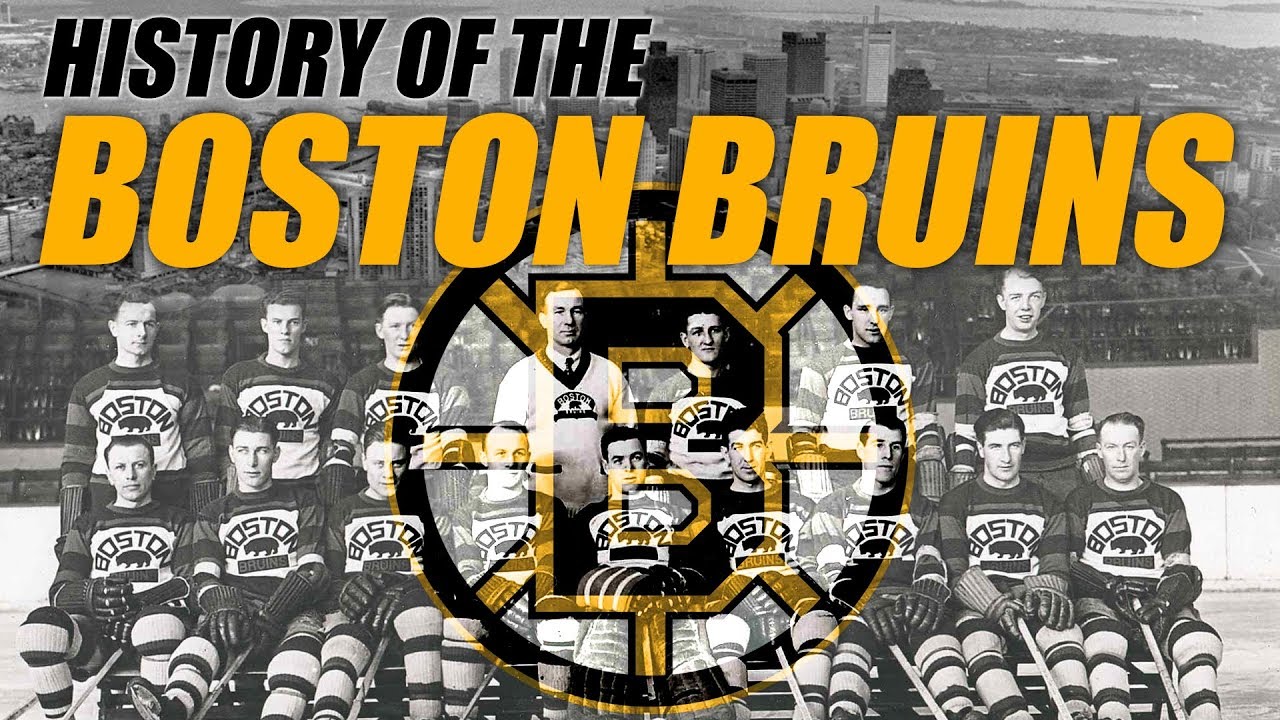
 Prev
Prev