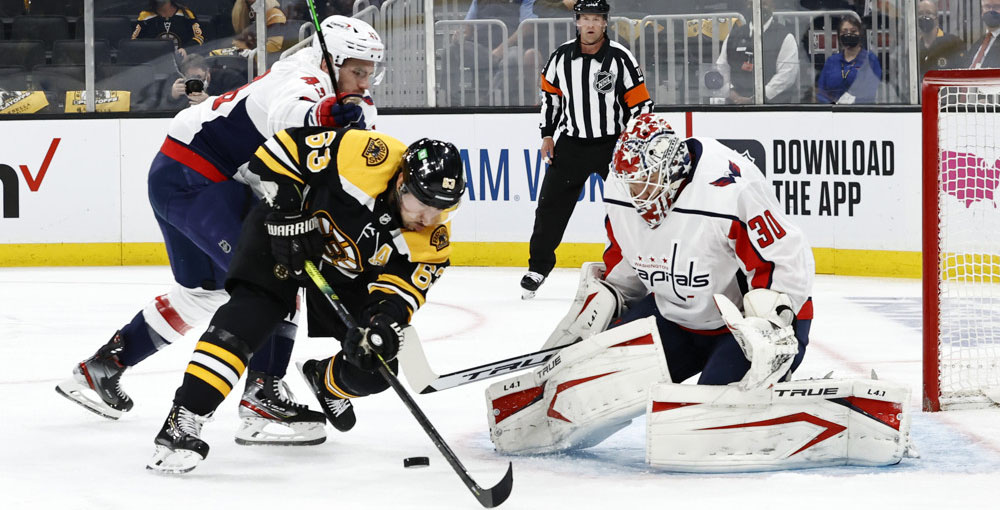
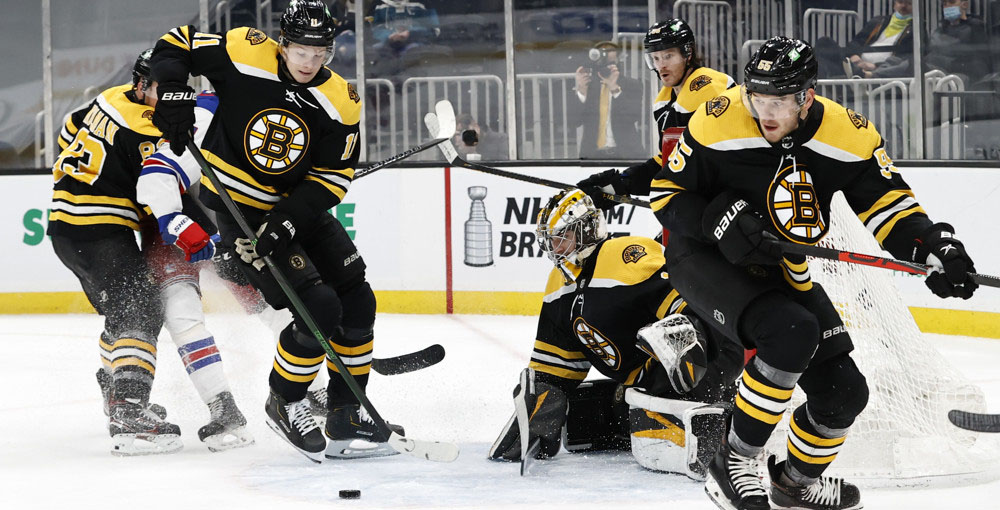
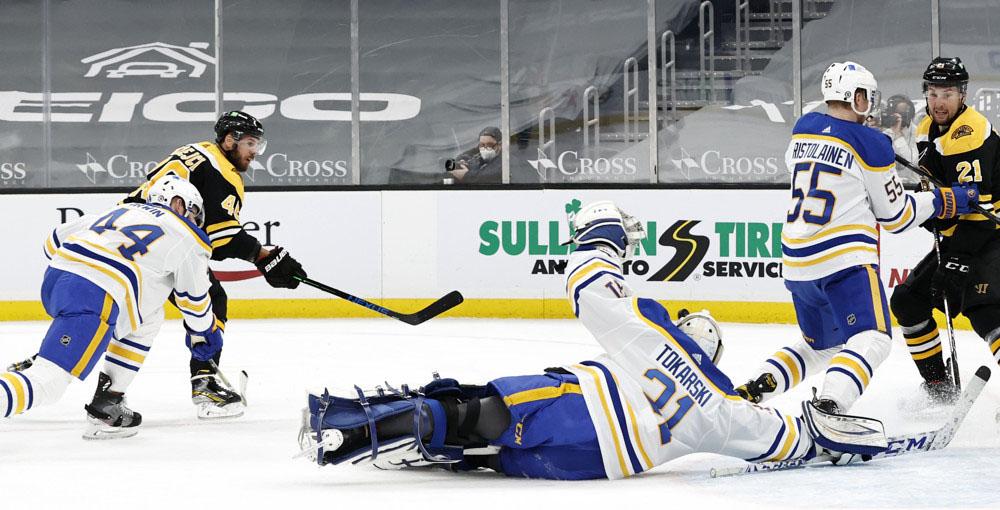
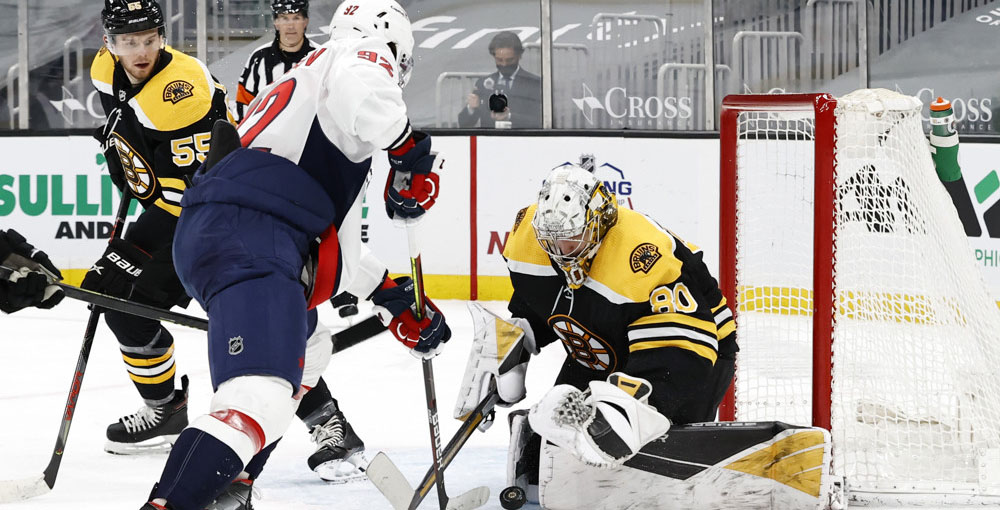
(Photo: Photonews/Panoramic/Icon Sportswire)
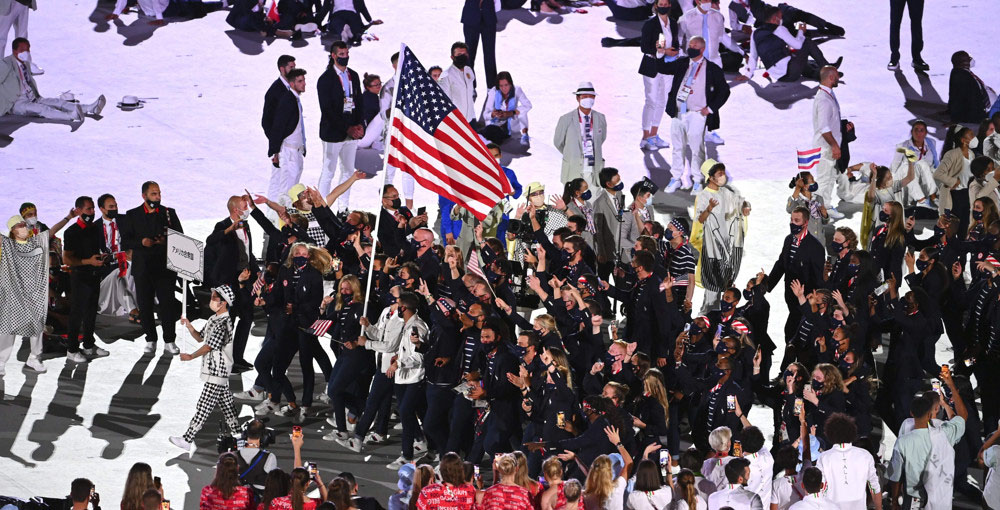
The Opening Ceremony for the Tokyo 2020 Summer Olympics took place on Friday evening, July 23, 2021 – a year later than originally anticipated – and not without its difficulties. The Covid-19 pandemic continued to raise its ugly head resulting in changes as the Games drew closer.
First it was decided that family and fans residing outside of Japan would not be allowed to attend. And then it became necessary to also deny family, friends, and fans residing within Japan from being allowed to attend the games. Such a grand stage and the athletes would hear no cheers.
Many felt that the Tokyo Games should have been cancelled completely. As media buses arrived at the Olympic Stadium full of reporters and photographers along with the various other broadcasters and rights holders, we disembarked and had to walk a bit of a way to get to the stadium. As we did so, we were filmed by many a smartphone, as protesters stood along the route. Later when the Ceremony got underway, it would be possible to hear the chants of the protestors outside the stadium.
Much thought and comment acknowledged the havoc that the pandemic had raised, not only in Japan but across the world, leaving many families mourning loved ones. There was a moment of silence—marred by the chanting outside the stadium. Later as the Olympic flame arrived and then when the Olympic flag was being carried out, health workers were included in these significant moments during the Ceremony.
However, as the Parade of Nations began, within the stadium, there was clapping for many of the National Olympic Committees (NOCs) that were represented. The Refugee Olympic Team, representing those athletes who had to leave their homelands for one reason or another—escaping hunger, violence, or because they found that they were different, marched out second, following Greece who is always first.
The Olympic Oath was even changed to be more inclusive:
“We promise to take part in these Olympic Games, respecting and abiding by the rules and in the spirit of fair play, inclusion and equality. Together we stand in solidarity and commit ourselves to sport without doping, without cheating, without any form of discrimination. We do this for the honour of our teams, in respect for the Fundamental Principles of Olympism, and to make the world a better place through sport.”
In total, there were 205 NOCs and the Refugee Olympic Team representing the globe. Some teams had hundreds, while others were represented by just a few—perhaps only one athlete. Watching those teams walk out, their flag bearers holding their countries’ colors up proudly, it was plain to see their pride and earnestness in competing. Watching them parade along the route and then interact with the local dancers proved that during the Olympics there is a truce. There is camaraderie among the athletes—at least until they face each other in competition.
After Japan marched out, signaling the end of the parade of nations, and the entertainment and speeches began, there was respect, with no spectacle. Honor for those competing and those who had suffered throughout the pandemic were the message, as was the importance of solidarity, and it was heard.
In his speech, International Olympic Committee President, Thomas Bach recognized not only the suffering, but how important being together again was. “We can only go faster, we can only aim higher, we can only become stronger, if we stand together – in solidarity. This feeling of togetherness – this is the light at the end of the dark tunnel,” he said just before inviting His Majesty the Emperor Naruhito to declare the Games open.
(Photo by Danny Murphy/Icon Sportswire)
The Philadelphia Flyers and General Manager Chuck Fletcher knew the team was looking for a top pair, right-handed defenseman to fill the void left by Matt Niskanen. Alain Vigneault tried multiple partners for Ivan Provorov last season, but no matter his partner, it just didn’t seem to work.
The team was linked to Seth Jones early in the offseason, but those talks fizzled out when the two sides couldn’t agree on a new contract. Jones has one season left on his contract, and Fletcher wasn’t trading the farm without a longer-term commitment from the defenseman. With the roster freeze going into effect at 3 p.m. on July 17, 2021, it was looking like Fletcher would stand pat, but that didn’t happen.
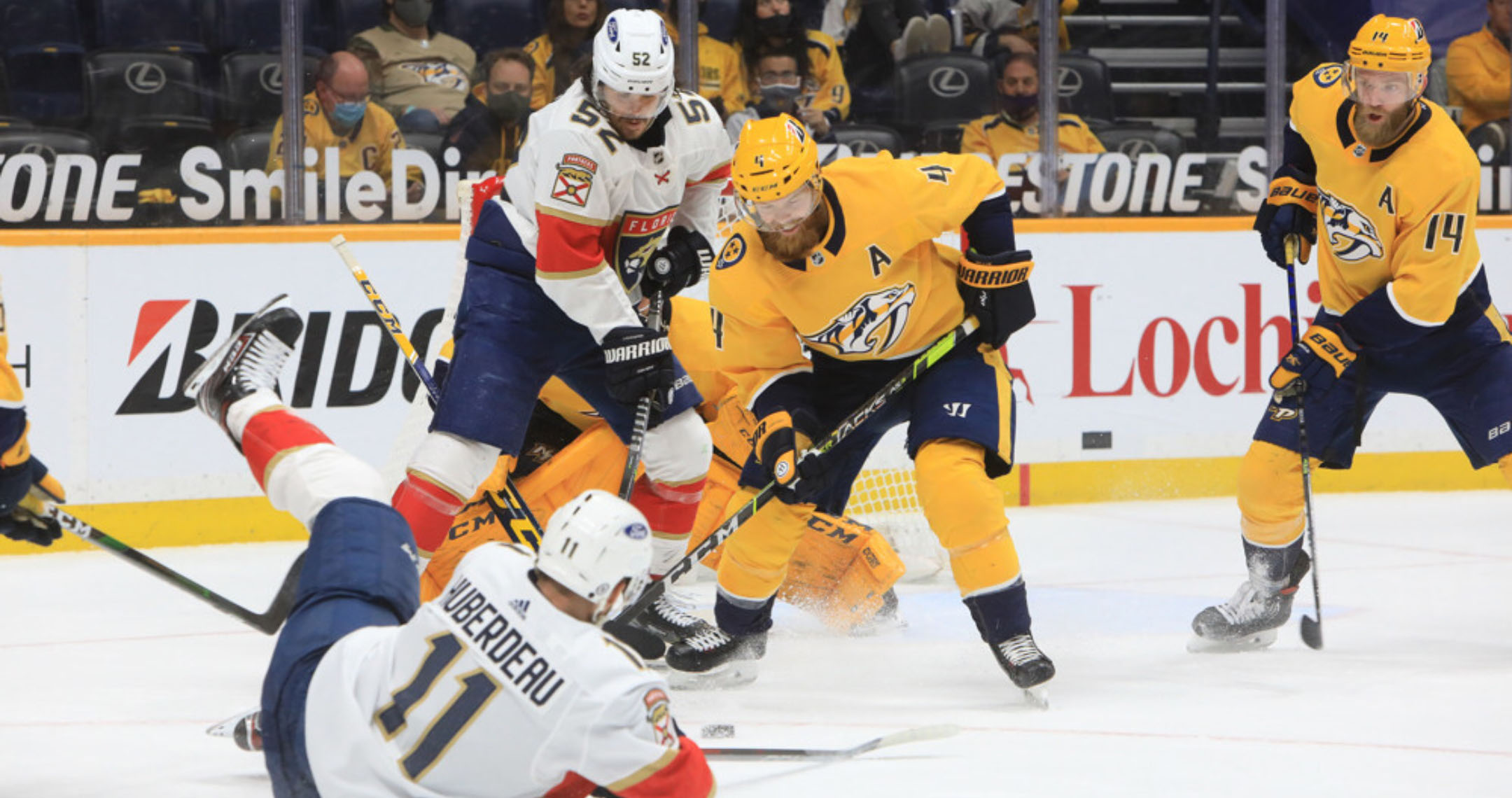
The Flyers acquired defenseman Ryan Ellis from the Nashville Predators for center Nolan Patrick and defenseman Philippe Myers. Patrick was traded to the Vegas Golden Knights for Cody Glass. It may have taken a three-team trade, but Fletcher finally got his man, whom the Flyers were linked to last season. Ellis will play with Provorov on the team’s top pair and be the perfect replacement for the loss of Niskanen.
In getting the 30-year-old defenseman, the Flyers get a legitimate top guy and a ton of leadership for the blue line, which lacked last season. Ellis is good at making the first pass out of the defensive zone, which should help the Flyers to spend less time defending. If they defend less in their zone, it could lead to less scoring chances and less goals against. Ellis can play on the power play since he has a decent shot from the point.
Ellis is a solid all-around defenseman and should help the Flyers improve on the defensive side of the puck. He played on the penalty kill for the Predators and should help improve the Flyers in an area that was a weakness last season. Though he had his struggles the past two seasons, if Fletcher didn’t believe he could bounce back, he wouldn’t have made the trade. It isn’t all sunshine with Ellis, as there are some unknowns with him.
The first is how he will react to the trade since he has been with the Predators since day one. He will have to get to know a whole new set of teammates, a new system, and a new fan base. The 30-year-old is in the third year of an eight-year contract that started before the 2019-2020 season. His contract has a cap hit of $6.25 million per season for the next six seasons. During the 2020-21 season, he only played 35 games because of shoulder surgery. Ellis isn’t someone who will throw his weight around, and there are the injury concerns.
The Predators traded Patrick to the Golden Knights shortly after acquiring him for Cody Glass. Patrick was rumored to be on the trade block last season, but nothing came about. He missed the entire 2019-2020 season due to migraines and wasn’t the same player when he came back. Patrick was a little hesitant to go into corners after the puck, but he wasn’t afraid to go to the front of the net. The 22-year-old will be eligible to become a restricted free agent on July 28, 2021. The change of scenery and a fresh start can only be a good thing for this kid, who has been through a lot in the last two years.
The other piece of the three-team trade was a 24-year-old defenseman, Philippe Myers. Myers was an undrafted find by former Flyers General Manager Ron Hextall. He is 6’5″ and is a smooth skater who isn’t afraid to throw his weight around. When he keeps his game simple, he is a good player, but if he tries to do too much, he’ll get himself into trouble. In his time with the Flyers, he was inconsistent and benched for poor play, but the benchings didn’t always seem to work. He would return to the lineup and make the same mistakes. Myers has a ton of upside, so maybe a change of teams will be a good thing. He is in his second year of a three-year contract that has a $2.55 million cap hit per season.
Overall, I like the trade even though Ellis is under contract for the next six seasons and has injury concerns. The cap hit for the contract is a manageable one, and the Flyers still have their first-round draft pick and top prospects in play to make another trade to fill other needs on the team.
The annual NHL coaching carousel has unofficially ended its ride, well, for the summer anyway. If teams underachieve or get off to bad starts, it could pick up where it left off.
Five teams were looking for a new bench boss heading into the NHL offseason. If you count the Montreal Canadiens, who had not removed the interim tag from Dominique Ducharme at the end of playoffs, then the total is six teams. The Canadiens seemed to play well under Ducharme, reaching the Stanley Cup Final, so I can’t imagine a new head coach for them. The other five teams searching for a new head coach were the Arizona Coyotes, Buffalo Sabres, Columbus Blue Jackets, New York Rangers, and Seattle Kraken.
The Arizona Coyotes decided to go in a new direction and let go of Rick Tocchet, who couldn’t get the team to play consistent hockey. He did manage to get them in the playoff hunt, but that wasn’t enough. The Coyotes missed the postseason in seven of the past eight seasons, so it wasn’t all on the coach. Tocchet was 125-131-24 during his four seasons with the Coyotes.
The Coyotes names Andre Tourigny as the new head coach, and he has a tall task ahead of him. Tourigny has a few seasons of NHL coaching experience under his belt, but it was an assistant job. The Coyotes’ new bench boss has ties to the organization in that he knows both goalies from his time with Hockey Canada’s national team. Tourigny has a ton of coaching experience at the national and junior levels, which is beneficial for the younger players. This should help him navigate the new gig. Can he get the Coyotes over the hump to be a consistent playoff contender instead of the annual playoff pretender they have been?
The Buffalo Sabres parted ways with Ralph Krueger towards the end of last season and named Don Granato the interim head coach. The team was much better in their final 30 games or so under Granato. The Sabres responded well to the coaching change and started playing to its potential. The team was more relaxed and played better with Granato as the interim head coach, and this was all done without Captain Jack Eichel. The Sabres officially removed the interim tag on June 29, 2021.
Granato deserves the chance to see what he can do with this team with a training camp under his belt. The roster may look a little bit different come the regular season with free agency and trades. The team does have the number one overall draft pick in the upcoming NHL Entry Draft. Granato will have a chance to implement his system and not do it on the fly. The fans have seen the potential to which this team can play under Granato, but what happens if the team gets off to a slow start and misses the postseason again? It will be interesting to see if Granato will have any say in player movement and how he and the team respond to adversity.
The Columbus Blue Jackets and John Tortorella, who spent the past six seasons with the team, decided to part ways after a disappointing season. The new head coach, Brad Larsen, is familiar with the roster since he was an assistant under Tortorella for the past six seasons. Larsen has some AHL head coaching experience with the Springfield Falcons from 2012 to 2014. He also played for the Colorado Avalanche and Atlanta Thrashers for eight seasons in the NHL. During his two seasons as the Falcons coach, Larsen had a record of 92-45-15 and helped the team to two division titles.
The Montreal Canadiens officially named Dominique Ducharme the team’s head coach on July 13, 2021. Ducharme was named the team’s interim head coach back in February after the Canadiens fired Claude Julien. The Canadiens made it into the postseason and wen on to run to the Stanley Cup Final, where they lost to the Tampa Bay Lightning. During the run, the Canadiens won series against the Toronto Maple Leafs, Winnipeg Jets, and Vegas Golden Knights.
Ducharme and the Canadiens agreed to a three-year contract extension. The team only went 15-16-7 under him in the regular season, but once the Canadiens got into the playoffs, the magic began. Ducharme managed to get a system in place during a season full of challenges, which included a pandemic. The team lacked practice time, and played the regular season without fans in the stands. He managed to keep the team focused and to buy into his system. It will be interesting to see if he can repeat his success next season, or if he was a one hit wonder.
The New York Rangers let go of David Quinn after missing the postseason. The team decided to go with an established NHL coach from outside the organization in Gerard Gallant. The choice seems like a good one for the Rangers since they have a good mix of veteran and young players. Gallant has had success with every team he has coached, especially the Vegas Golden Knights.
The Rangers tried winning with a head coach who didn’t have any prior NHL coaching experience, and it didn’t turn out so well. The team was trying to win and rebuild at the same time during Quinn’s time as head coach. The Rangers should be playoff contenders under Gallant’s watch. It will be interesting to see if the team can pick up and implement his system in the early portion of the season or it takes time. I’ll be keeping my eyes on Kaapo Kakko, who did not have a great season by any means last year, and how Gallant uses him and his younger players throughout the lineup.
The Seattle Kraken made headlines by naming its first head coach in franchise history and caught most fans off guard with the choice. Dave Hakstol, yes Philadelphia Flyers fans, that Dave Hakstol, was named the Kraken’s first franchise head coach on June 24, 2021, about three weeks before the NHL Expansion Draft. Hakstol was the head coach of the Flyers for three and a half years and was 134-101-42 in his time. The Flyers made the playoffs twice but were out in the first round both times. For the past two seasons, he was an assistant with the Toronto Maple Leafs.
Hakstol gets a chance to start fresh and prove that he wasn’t the issue during his time with the Flyers. He’ll be able to help build a team this time around and not inherit his roster. Hakstol should have input on players that he thinks will best fit his system and that the Kraken should take in the Expansion Draft. It should be interesting to see how well this team meshes in a short period while learning a new system. Fans will be watching the Kraken and Hakstol closely after the success of the Vegas Golden Knights in that team’s first season.
The new bench boss that I’m most looking forward to seeing in action is Gerard Gallant with the Rangers. The Rangers have a decent mix of veteran and younger players, so it will be interesting to see how Gallant handles that mix. The response of Kaapo Kakko to a new coach is something to watch after his disappointing season last year. How does Gallant handle the goalies by rotation or naming a clear-cut number one guy from the start of the season? There will be some headlines to keep an eye on with the Rangers this season, and how Gallant handles this team should be interesting.
UPDATED July 13, 2021: Added information about the signing of Dominique Ducharme.
(Photo: Fred Khoury III/Icon Sportswire)
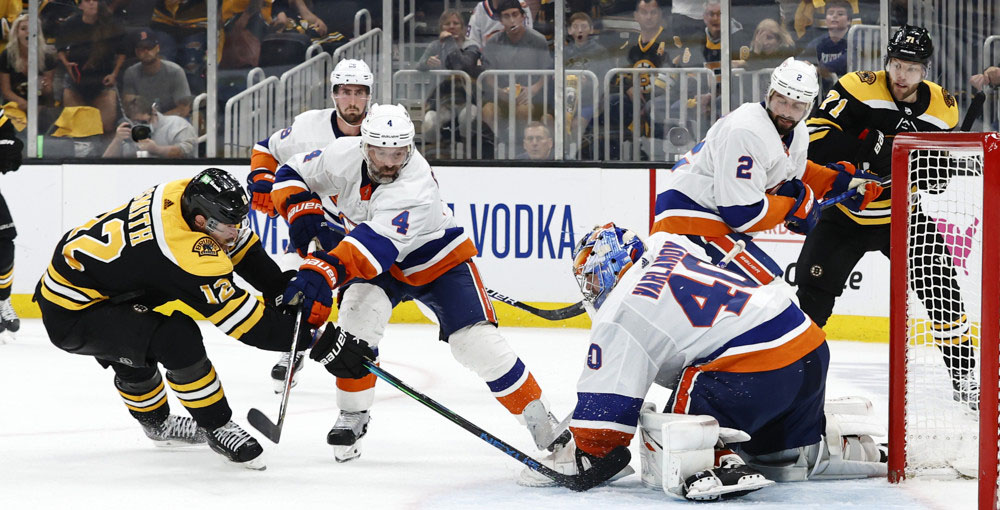
A disturbing trend has become evident in this series between the Boston Bruins and the New York Islanders. That trend is Boston’s inability to sustain a lead.
With the exception of the first game, which saw Anthony Beauvillier notch the first marker of the game, it was a player on the Boston Bruins that put up the first goal in the Games 2 through 5. Throughout those games, the Islanders were able to find a game-tying goal.
In game 2 Josh Bailey’s marker on the power play during the second period opened the game up, with Kyle Palmieri and Jean-Gabriel Pageau giving his team a two-goal lead in the middle frame. Patrice Bergeron and Brad Marchand responded in the third period, forcing an overtime which Casey Cizikas won to tie the series in Boston.
Going into Game 3 in Long Island, it took the Islanders until the third to knot the game—the goal coming from Mat Barzal. And once again the game headed to overtime. This time it was Marchand and the Bruins who took the win.
Game 4 looked like it was going to be another tight game, as no goals were scored in the first period and at the end of the second it was knotted at one each with David Krejci getting his first of the playoffs at 3:57 of the period while on the power play and Palmieri tying it up about three minutes later. With under seven minutes to go in the third, Barzal got the go-ahead and that was where things stalled as the clock ticked down. The Bruins pulled Tuukka Rask for the extra attacker but by the final horn Cizikas and Pageau had each notched an empty netter making the game look far worse than it really was.
Back in Boston the Bruins began Game 5 with the lead, when David Pastrnak put the home team up at 1:25 of the first period. The pace of the game was extremely fast, and the hits were many and hard. It even looked like perhaps the referees were going to allow the teams to play as nothing was called; that is until there was less than two minutes remaining in the first. That was when Sean Kuraly took a slashing penalty. Thirty-two seconds later, yes, the Islanders had the game tied up, and yes, it was Barzal, who scored his third goal of the playoffs and of the series.
At 2:56 of the second, Matt Grzelcyk was sent to the sin bin for a cross check and Palmieri put the Islanders up with just six seconds remaining on that power play. Marchand did what he has been doing all throughout the playoffs and stunned many with an impressive goal at 7:27 to again tie things up.
Bailey put the Islanders ahead—their first at even strength—at 14:30. At 15:18, Chris Wagner was whistled for high sticking—made all the more frustrating since a high stick on Craig Smith had not been called seconds earlier. Jordan Eberle put the Islanders up by two while they were on that power play at 16:38. Despite outshooting the Islanders 26-16, the Bruins trailed by two going into the second intermission.
As the game got under way in the third, Jeremy Swayman replaced Rask between the pipes. The rookie netminder had seen action during the regular season, playing ten games and earning a 7-3-0 record. He had not played since the end of the regular season though and had not gone to join the Providence Bruins either to see any game action. Brock Nelson put the first of the three shots the Islanders managed in the third period past Swayman at 1:59 of the third. With the Islanders up by three goals, it certainly wasn’t looking good for the Bruins.
But then Pastrnak got a power play goal 24 seconds after Adam Pelech had been sent off for a hooking. The Bruins seemed to be more determined, but the number of missed connections on passes and players sometimes bumping into each other spoke to the overall miscommunication that was taking place. This could have been due to Boston’s loss of Curtis Lazar early in the second period and the need to shuffle the forward lines throughout the rest of the game.
When Krejci put the Bruins within one of tying things with 5:17 remaining in regulation it looked like Boston might just find a way to at least force overtime. In the end it was not to be.
Despite peppering Semyon Varlamov with 44 shots in three periods, the Islanders goaltender stopped 40 of them and gave his team the win and the 3-2 lead in the series.
The Bruins and Islanders will play Game 6 at Nassau Coliseum on Wednesday night. There are now questions as to whether the Bruins can force a Game 7 in this series. They have lost key players on their back end with Brandon Carlo and Kevan Miller both out, and it may just be too much, especially if Rask is struggling.
(Photo: Fred Khoury III/Icon Sportswire)
As they finished their regular season, I posed the question whether the Boston Bruins had what was needed to be effective in the playoffs. After falling to the Washington Capitals in overtime in Game 1 of this playoff series between the two teams, Boston has continued to show that they remain calm and focused regardless of the score. And that has given them wins in the next three games, including Friday night’s Game 4.
Unlike Wednesday’s game where the hits were hard, the tempo high, and the pace quick, Friday’s game seemed to feel more like a regular season game at the beginning. The never ending parade to the penalty boxes also gave it that feel. Playoff games tend to overlook what Bruce Cassidy refers to as the “ticky tack” penalties, such was not the case Friday night. The teams together were assessed 16 penalties through 60 minutes, as opposed to the 10 meted out through the 85:48 minutes played on Wednesday.
There was a sense that the focus of the Capitals wasn’t as much on making plays as it was on trying to disrupt the Bruins, often with a hit, though not all of those connected. And as mentioned above when they did, they were not of the level usually seen in a playoff game. The first period had a somewhat leisurely flow to it, which was shown in the shots on net for both teams; four for Washington and 11 for the Bruins. As for the hits, each team had 14 and they were even in faceoffs as well, having won nine each
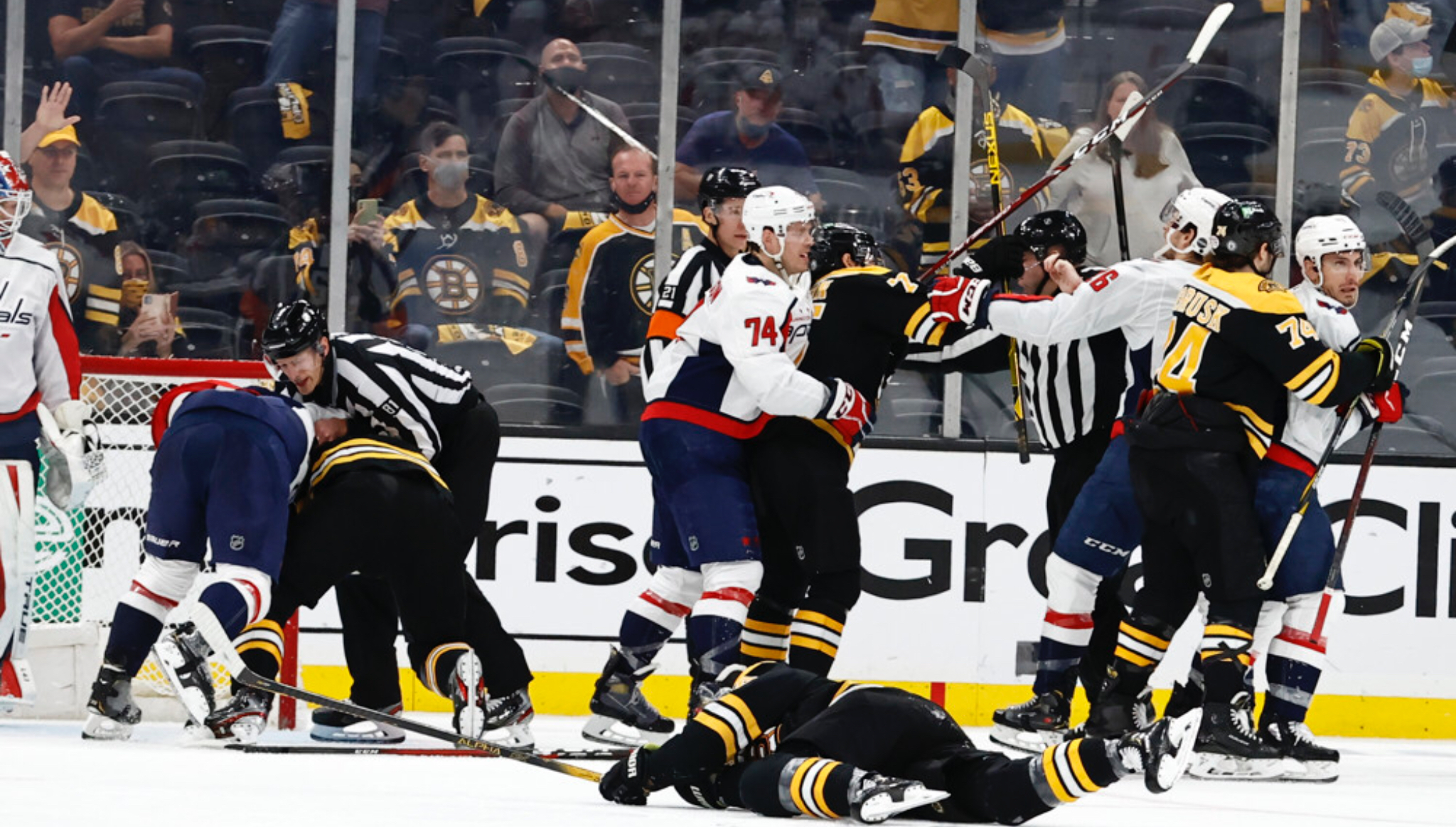
As the game progressed the tempo did increase mostly with the hits from the Capitals, giving credence to their focus not being as much on putting rubber on Tuukka Rask. It was also during the second period that Dmitry Orlov’s hit on Kevan Miller sparked a level of animosity that will likely carryover to Sunday’s Game 5.
The hit appeared high and to have come in contact with Miller’s head. Miller went down. While Orlov’s shoulder didn’t get Miller’s head, his hand appeared to punch Miller’s head and the hit was late. Though he was helped off the ice, moving somewhat under his own power, it was later made known that he was taken to the hospital for tests. Orlov was originally assessed a five-minute major which the referees then downgraded to a double minor for “roughing.” Charlie Coyle had taken Orlov to task after the hit and he was also assessed a two minute roughing, which gave the Bruins just a two-minute power play. Certainly not what Boston was expecting for what was done to Miller. However, perhaps the goal Brad Marchand scored during that power play showed they had Miller’s back and were thinking of him.
For Boston, that goal turned the tide in their play. Though they went into the second intermission leading by just that one goal, they started the third with 1:45 of carryover power play time—an interference call on Anthony Mantha at the end of the second—David Pastrnak gave the Bruins a two-goal lead just 29 seconds into the final frame. Coyle responded 34 seconds later with his own goal and the Bruins led 3-0.
Alexander Ovechkin did manage to ruin Rask’s bid for a shutout while on the power play, Marchand having been sent off for an interference call, but it wasn’t enough. And while the Capitals continued to outhit the Bruins, Boston was outshooting Washington, despite the Capitals having three power play opportunities. Ilya Samsonov was even pulled for the third, giving the Capitals a six-on-four advantage. Through those three power plays, Washington managed only the one shot from Ovechkin that got in the net.
Of the five goals scored between the two teams, only Coyle’s at 1:03 of the third was scored at even strength. Matt Grzelcyk would put the dagger in with his first playoff goal of the season coming at 14:50 of the third—Mantha again in the box, this time for goaltender interference; for which he was fined. Charlie McAvoy notched his third helper of the game, a career high in the playoffs for him.
The Bruins lead the series 3-1 and the teams are headed back to Washington, D.C. for Game 5 on Sunday. Home ice advantage and a must win situation for the Capitals should mean a big push from Washington on the Bruins. Boston would expect nothing less.
(Photo: Fred Khoury III/Icon Sportswire)
One of the issues this season as the playoffs have begun is how familiar the teams are with each other. They have seen each other for eight regular season games, and this means that both teams know all the guns in the other team’s arsenal and often have ways to negate them.
For the Boston Bruins and the Washington Capitals, not only have they just finished playing eight regulation games during the 56-game regular season, but they have seen each other frequently in past post seasons. Many of the players on both teams have been around for a few seasons and now the Capitals have Zdeno Chara wearing their sweater—and as Captain of the Bruins for 14 years, he’s a bit familiar with some of Boston’s moves.
As such it should not be surprising that these two teams know a lot about each other. They also have memories like elephants, have taken names and numbers more than once and are not afraid to throw a hit or five. Both teams have some exceptional players in their lineups and likewise they have their players who make the other team see red (and I’m not talking about the color of the Capital’s sweaters). Brad Marchand for the Bruins and Tom Wilson for the Capitals have had a few “meet and greets” on the ice, especially as this round of the playoffs has gotten underway.
Seeding higher, the Capitals have home ice advantage for this series, and the first two games down in D.C. both went to overtime. Perhaps then it shouldn’t have been such a surprise when Wednesday night’s game wasn’t decided during regulation, though as the third period clock ticked under the ten-minute mark of time remaining it was certainly getting to be a nail biter for those pushing for a Bruins victory.
This is an example of the team that shows not only Boston’s depth and leadership but their understanding of what the they can do and the attributes of all the players in their room. There was no panic on the bench. Each line hopped over the boards and worked hard. Sure, everything wasn’t rose colored and perfect—but then no hockey game is. But the Bruins have shown their resiliency not only during this odd COVID-19 shortened season but in playoffs of the past.
In Game Two the Bruins were trailing by a goal with 2:49 remaining when trade deadline acquisition Taylor Hall showed why the Bruins brought him in, tying up that game. His determination forced the overtime on Monday night which saw Marchand send the teams back to their dressing rooms just 39 seconds after the puck was dropped in OT.
Likewise, it was Hall who showcased a highlight-reel worthy goal on Wednesday in response to the Capitals’ power play goal by Alex Ovechkin during the second period. Assisted by Craig Smith and Kevan Miller, Hall’s goal showed such skill that most watching the game couldn’t help but admire what he had done.
Even after Nic Dowd put Washington up towards the end of the second period, there was just a sense that Boston was going to come out and remind the Capitals that those in black and gold should never be underestimated. Indeed, Marchand knotted the game at 11:32 of the third period, while the team was on the power play. Perhaps a little poetic justice to the goal as it was Dowd who had been sent to the box for a high sticking infraction that gave the Bruins the man advantage.
Like many of the things the Bruins do, it wasn’t pretty, but it was indicative of their refusal to give up. Despite having tried twice to slip the puck passed Ilya Samsonov by parking to the left of Samsonov’s net, Marchand wasn’t able to get the biscuit in the net until the third time he got the puck. Not elegant like Hall’s, but the result was the same—a goal and a tie game.
Unlike the two previous games of this series, the game would remain tied through the first overtime, which was frustrating for the Bruins—who put enough rubber on Samsonov to give him a new set of tires for his car. Boston notched 17 shots on net in the first overtime, while the Capitals were only able to get five on Tuukka Rask. Of course, it was beginning to look like one of those periods in which the team that dominated in shots and possession would still somehow lose on a funky bounce, especially as the period continued. Let’s face it, the players put it all out there during the playoffs and they had already done so for three solid periods.
Eighty minutes wouldn’t be enough time to solve this one, as things went into double overtime. As the teams regrouped and returned to the ice for the second overtime period, the Capitals seemed to be a little more in control, but apparently Smith didn’t care about that. His contributions since slotting on the right wing along with Hall and David Krejci have shown that it doesn’t have to be a star player, but a player that compliments his line mates that matters. His confidence is there and he’s making plays. And that’s exactly what he did at 5:48 of the double overtime with a nifty unassisted wrap around that he squeaked behind Samsonov which gave the Bruins the win and the lead in the series.
There is little time for the Bruins to enjoy the win. There are still things that are trying to work on—with very little time in which to practice—before they will face off against the Capitals on Friday night. Who knows what surprises that game will bring?
(Photo: Fred Kfoury III/Icon Sportswire)
The New York Rangers entered TD Garden on Thursday, May 6, 2021 to play in the second to last game of their season. They already knew they were out of the running for a playoff spot, and they had expended a great deal of emotional energy against the Washington Capitals the night before with six fights, the result of their disagreement with Capitals Tom Wilson only getting fined for his roughing on Pavel Buchnevich.
It was easy to see that the Boston Bruins were the more invested of the teams in Thursday night’s tilt. In fact, for a long stretch of time the Bruins goaltender Jeremy Swayman saw no action—which could have resulted in a loss of focus when the Rangers did actually get into the offensive zone and put a shot of him. Thursday night’s game was more a statement about the mindset of New York thank it truly was about the Bruins.
By the end of the first period the Bruins were leading 2-0 in score and 9-4 in shots. The second period though showed how truly unengaged the Blueshirts were when Boston outshot them 19-3 in the middle frame and put another goal in net. By the end of the game the score was 4-0—Brandon Carlo notched the fourth goal in the third period—and the shots on goal were 34-15, though the Rangers did outshoot Boston in the final period.
Perhaps because there was little going on regarding the the contest for the two points, it was even easier to see some of the issues the Bruins need to shore up before they do start the post season. Something appears to be going on with David Pastrnak. His go-to one-timer has not been there, and while that is disconcerting, it makes his giveaways and struggles to maintain possession of the puck more obvious. Nothing has been said by the team, and perhaps Pastrnak is simply going through a slump. After all, most players have those periods throughout their career. However, the Bruins rely on Pastrnak and his performance will be all the more important in the post season.
What Boston does have in its favor is a two-way game. The fowards recognize the importance of a defensive game and show it with backchecks and forechecks as well as slotting in when a defenseman pinches. Meanwhile, twelve of the shots on Rangers Igor Shesterkin came from the Bruins defensive corps. When Kevan Miller plays for the black and gold, he shows that his speed and physicality are there as well as a willingness to put pucks on net. He had three shots on New York’s goaltender. His physical play also discourages the opposing team of taking liberties with the Bruins skill players.
Right now, the Bruins have tight first and second lines that are producing. The addition of Taylor Hall at the trade deadline was a solid move by the Bruins front office. His positioning on the second line as the left winger for David Krejci has given that line the chemistry it needed. The return of Carlo on the blue line is a step in the right direction as well and helps to augment the back end with Charlie McAvoy and Matt Grzelcyk.
The bottom six are still inconsistent, but post season usually brings out another level in most of the players. Charlie Coyle is one player who was a scratch on Thursday but who Boston is hoping will find that higher gear and once again begin producing. He definitely suffered this season in the goal-scoring department.
The Bruins have three more games in the regular season. Saturday, May 8, they take on the New York Rangers again. Then the following Tuesday will be their last home game playing against the New York Islanders. The last game of Boston’s regular season will be a road game down in Washington, D.C., against the Washington Capitals, who the Bruins are likely to see in round one of the post season.
(Photo: Fred Kfoury III/Icon Sportswire)
Tuesday night’s tilt between the Boston Bruins and the Buffalo Sabres was the first game after the NHL Trade deadline the day before. Interestingly enough Taylor Hall and Curtis Lazar came from the Sabres to Boston while Anders Bjork went to Buffalo. The Bruins had also acquired Mike Reilly from the Edmonton Oilers. All three of the new Bruins suited up and Bjork was on the ice with Buffalo and sitting in a different dressing room from the one he knew so well in Boston.
Not surprisingly both Hall and Reilly started for the Bruins and everyone in the stands was expecting something instant from Hall. Of course, he’s with new line mates and playing a different system, which will understandably take a bit of getting used to. He also mentioned in his post trade interview that he hasn’t felt as confident of late. Hopefully his slotting in with David Krejci and Craig Smith on the second line will help. Krejci communicates well with his line mates on and off the ice but it may take a couple of games to get some chemistry going.
Meanwhile, for Bjork, he got an assist on the Sabres first goal of the game, had one shot on goal, and one missed shot in the game. Other than those opportunities, he seemed to be largely the same player he had been recently in Boston. The Sabres goal was their first shot on Bruins netminder Jeremy Swayman and one of only five during the first period. The goal was scored by ex-Bruin Colin Miller at 1:52 of the opener and the other assist went to Dylan Cozens.
For some reason, just shy of five minutes into the first period there was a goaltender change for the Sabres. Linus Ullmark hadn’t appeared to have been hurt in any play up to that point, but at 4:54 after the whistle was blown for a Sabres icing, Ullmark skated off and Dustin Tokarski came on.
After Colin Miller’s goal it looked like the Bruins flipped a switch and began to improve their pace. Their game wasn’t perfect, but it was apparent that they were intent of accomplishing things during the game. Krejci tied the game at 13:20 with assists from Jérémy Lauzon and Smith. The Bruins found themselves down a man more times than they would have liked. Nick Ritchie had a boarding at 14:32. Just after Boston killed that penalty, Jake DeBrusk was sent off for hooking at 16:51 and then with 29 seconds remaining on his penalty, Lazar was whistled for high sticking. Boston managed to kill off the remainder of DeBrusk’s time and went into the intermission still down a man for 23 seconds.
The second period saw two fights and a goal for the Bruins. Ritchie and Matt Irwin got into it at 2:46 of the middle frame, though it wasn’t clear what sparked it. Charlie Coyle had blocked a shot by Irwin, so perhaps it was the result of retaliation on Coyle. Though the fight seemed to give a little more life to the Sabres than to the Bruins, it would be the Bruins who would notch the goal. Smith’s wrist shot, unassisted, came at 5:29 of the second.
Roughly six and a half minutes after the first fight, Bruins’ Miller had a hit on Rasmus Asplund that was heavy and Asplund went down. Tage Thompson took exception to the hit and went after Miller, who obligingly dropped the gloves. Honest respect for Thompson though for going against Miller. Miller is a beast when it comes to the fisticuffs and he easily dominated Thompson in the battle.
Boston took the one-goal lead into the second intermission, but this certainly wasn’t a no ow out situation for the Bruins. They outshot Buffalo through the two periods 24-12, but some of the expected goal scorers such as Brad Marchand and David Pastrnak were struggling. Marchand only had two shots on net and one missed shot, while Pastrnak had one on net, one that was blocked and three that missed the net. He appears to be overthinking as his scoring drought continues.
The Bruins did manage to remain out of the penalty box—aside from the fighting majors—through the second and third periods, which was important. Despite having the top penalty kill in the league, they had already played with fire in the first period. Meanwhile, the Sabres were called for just one penalty, a holding on Irwin, 16:29 into the second period. The Bruins power play hasn’t been at its best, so perhaps it was not a surprise when they were not only unable to convert on the man advantage, but Buffalo prevented them from getting a single shot on net.
Despite leading by a goal, the Bruins’ tempo changed somewhat during the third period, which gave the Sabres an opening to tie the game 11:53 into the third. Unable to clear the puck from their defensive end more than once, the Bruins gave the Sabres an opportunity to put the puck on Swayman. Chris Wagner’s giveaway at 11:19 allowed the Sabres to regain possession in the offensive zone, where they remained until Rasmus Dahlin garnered the tying marker—which actually deflected off of Kevan Miller’s stick.
The teams would remain knotted throughout the remainder of the third period—with the Sabres having more puck possession and outshooting the Bruins 10-7—taking the game to overtime. During the extra inning the Bruins had three opportunities on Tokarski, as opposed to the one the Sabres had on Swayman. And just as the clock was running down, Casey Mittlestadt got a tripping penalty as the horn sounded.
In the end the game was decided in the shootout. Buffalo shot first and Swayman denied Victor Olofsson. Meanwhile at the other end, Coyle put his past Tokarski. The second round saw the Sabres put Thompson out and once again Swayman was up to the task. DeBrusk finished things off when his wrist shot ended up in the back of the net giving the Bruins the win.
(Photo: Fred Kfoury III/Icon Sportswire)
Going into Sunday night’s game against the Washington Capitals the Boston Bruins were missing a large part of their skilled defensemen to injury along with both of their starting goaltenders still out. Tuukka Rask’s groin injury continues to keep him from suiting up and Jaroslav Halak remained on the COVID-19 Protocol list.
The defensemen issue was worse than the Bruins had been expecting for sure. They had already planned to give Kevan Miller the night off. After all he’s been carrying some of the heaviest minutes for the d-men since his return while originally it was hoped that they could manage his minutes a little better. The injury list is almost longer than the roster: Charlie McAvoy (upper body); Brandon Carlo (upper body – concussion); Matt Grzelcyk (upper body) and John Moore had hip surgery that ended his season.
In addition to those defensemen, Trent Frederic was out Sunday night due to illness. Forward Ondrej Kase remains out with an upper body injury. Currently Carlo, Moore, Kase, and Halak are listed as injured reserve.
When the defensive pairings from the morning skate were announced, it was understood that the Bruins were having to pull in some young talent that may not yet be ready for prime time. The pairs were:
- Jeremy Lauzon and Connor Clifton
- Jakub Zboril and Steven Kampfer
- Jarred Tinordi and Jack Ahcan
In net Boston elected to start Dan Vladar, after seeing Jeremy Swayman make his debut at Philadelphia on April 6 in a 4-2 victory and then having him play the next two games: a 4-2 win over the Capitals on April 8 and a 3-2 loss to the Flyers on April 10. Swayman became the 10th goaltender in Bruins’ history to win his first two NHL starts.
The Capitals started Vitek Vanecek Sunday night who has done well against the Bruins and it goes without saying that there is some fire power on the Capitals’ rosters. However, how much fire power there was perhaps was not anticipated.
Within the first six shots on Vladar, Washington had three goals. The first, a power play goal was scored at 7:33 of the opening frame by T.J. Oshie assisted by Nicklas Backstrom and Evgeny Kuznetsov. The second came sixteen seconds later right off the next faceoff, when Lars Eller got an even strength marker assisted by Carl Hagelin and Garnet Hathaway. The third one came at 9:42 from Conor Sheary, assisted by Dmitry Orlov and Daniel Sprong. Three shots and three goals for the Caps. Tinordi and Ahcan were on the ice for Ellers’ goal while Kampfer and Lauzon were the defensive pairing for Sheary’s goal.
Sheary, Nic Dowd, and Tom Wilson would notch goals in the second period, though the Bruins actually outshot Washington in that period. Meanwhile Kampfer and Ahcan were the only players to be -2 at the end of the second period.
Boston would ensure that Vanecek would not get a shutout on Garden ice, when Craig Smith managed to put the Bruins on the scoreboard three minutes into the final frame while they were on the power play. The Bruins were 1-4 on the power play Sunday night while the Capitals were 3-6. It was evident that the lack of McAvoy or Grzelcyk at the top of the umbrella was cramping the abilities of the Bruins power play.
While the Capitals continued to make solid passes and keep Boston’s players chasing after them for much of the evening, the Bruins were unable to make much work. Some of the younger players could be seen thinking and making tentative plays. Some of the forward lines had also been shuffled with David Pastrnak returning to the top line with Brad Marchand and Patrice Bergeron. This put Karson Kuhlman on the right wing of David Krejci’s line and Smith was moved down to the third line to play right wing with Charlie Coyle.
Watching the Bruins was like watching a team that hadn’t ever played together. They struggled to connect on passes and the inability to clear their end allowed the Capitals to set up shop in front of Vladar and get some quality shots on him.
When it was all said and done, Washington beat the Bruins 8-1. And while the Capitals had 15 players with at least a point (five had 2 points and Oshie had 3 points), the Bruins had 15 players on the minus side of the plus/minus. Kampfer, Ahcan, and Kuhlman each were -3 on the night, while Nick Ritchie, Krejci, Anton Blidh and Tinordi were all -2.
The Bruins saw what happens when forced to slot in a number of players who are still playing at an AHL level, and the result wasn’t pretty.
(Photo: Fred Kfoury III/Icon Sportswire)
In the sixth of eight games between the Boston Bruins and the New Jersey Devils, Boston came out with a bit of urgency and it looked like perhaps they were tired of being walked all over by the Devils. However, once again New Jersey was on the scoreboard first. Miles Wood got a pass from P.K. Subban who kept a turnover in the offensive end and Jaroslav Halak either wasn’t ready or expected the puck to do something else. It was the Devils’ first shot of the night on Halak, making it all the more ignominious. At that point the Bruins had been controlling the pace of the opening period and giving Mackenzie Blackwood some rubber to track.
Approximately four and a half minutes later, with a fluke bounce of the puck, the Bruins managed to tie the game. Nick Ritchie’s shot was gloved by Blackwood and then it bounced out of his glove and behind him into the goal. Ritchie’s goal was assisted by David Krejci and Craig Smith.
One would have expected the goal to give the Bruins some confidence and a bit more jump, but instead their passes were incomplete and some of the players were showing a definite lack of urgency during their shifts. It was difficult to tell if Boston was playing man-on-man or zone or just winging it. Given the style of play it was not surprising when New Jersey got the go-ahead goal at 9:34 of the first period, when Michael McLeod basically had a wide-open basket to score on, the result of Halak’s inability to push off and get to the other side of his net. He was assisted by Jesper Boqvist and Ryan Murray.
The second period saw the Devils get their third goal of the game within the first five minutes of the middle frame. Travis Zajac put it past Halak with assists from Jesper Bratt and Murray. The Bruins continued to give New Jersey plenty of opportunities entering the Bruins end, though fortunately no more goals were scored even during a a power play that New Jersey got when Brad Marchand was whistled for a roughing during a little scrum that even saw Patrice Bergeron taking no lip from the opposition.
As the period continued, the Bruins simply couldn’t maintain any sustained possession of the puck. In some cases it was bad passes while in others it was good defensive play by the Devils.
Roughly a minute after Marchand had exited the box he was skating right back toward it, this timing having received a matching roughing penalty with Bratt after a little scrum in which gloves were shed and Marchand flipped Bratt onto the ice.
Then with 53 seconds remaining of the ensuing four-on-four Subban was sent off for a slash giving the Bruins some four-on-three time before Marchand and Bratt exited their respected boxes. Marchand gave the Bruins a power play goal to get back within one goal at 15:48, assisted by Bergeron and Krejci but the joy was short lived. In what has become a recurring theme as the Bruins play the Devils in this unique season, Kyle Palmieri, unassisted, slipped one past Halak, short side, regaining the two-goal lead for the Devils. As the teams went off for the second intermission the Bruins found themselves down 4-2 against a team that they have struggled with all season.
It is unknown if Marchand’s truculence made an appearance in the dressing room between the second and the third period, but Boston came out with a bit more fire in their belly. Charlie Coyle got a breakaway within seconds of the first puck drop of the final twenty minutes, but Blackwood was there to glove it—continuing to show his amazing abilities between the pipes for New Jersey. As the period progressed the Bruins were outshooting the Devils 8-2 in the first seven minutes and would eventually outshoot New Jersey 19-9 in the final frame.
Throughout the period the Bruins still continued to struggle with passing and clearing the defensive zone. Fortunately, Halak had decided to close the door at his end.
Meanwhile the question has to be asked what might be done with some of the young Bruins players who seem unable to finish shots or keep possession of the puck. Too many turnovers again from many of the players in black and gold.
At 10:22 of the third Charlie McAvoy got the Bruins within one, assisted by Smith and Marchand. While Damon Severson sat for two minutes at 13:43, for a high stick that he definitely felt he hadn’t done, Boston once again showed there are difficulties on the power play. They certainly aren’t as woeful as the 2011 Bruins, but it is troubling and something that needs to be addressed. Though Boston was unable to convert on the man advantage, going 1-3 on the power play, Matt Grzelcyk tied the game with a nice shot from the top of the slot, at 16:00, assisted by Smith and Krejci, giving Krejci three assists for three points in the game. Then began the torturous waiting game to see if Boston could keep things knotted and take the game to overtime.
Of course, 18 seconds after Grzelcyk tied the game, Bergeron was sent off for a hooking penalty which had plenty of people holding their breath. Boston did manage to deny them much opportunity, with New Jersey getting just one shot on Halak in their power play. After Bergeron’s penalty was killed, the Bruins hung on for the remainder of regulation to ensure at least one point from the game.
While in overtime, Boston put four shots on Blackwood which was impressive since they spent two minutes of the final 2:13 on the penalty kill after McAvoy was sent off for a slashing penalty. In the end the game would have to be decided by a shootout. Halak stoned both Pavel Zacha and Palmieri while both Coyle and David Pastrnak slid pucks by Blackwood’s left toe to grab the much needed second point.
 Prev1...567...412Next
  Page 6 of 412