By Jaclyn Matisak
After suffering through a disappointing 2013 season and the retirement of Kovalchuk, the last thing that the Devils needed were financial issues that prevented the team from doing what they needed to do to get back into the post season. Cue the new owners of the New Jersey Devils, Joshua Harris and David Blitzer.
The NHL’s Board of Governors has approved the sale of the franchise to the owners of the NBA’s Philadelphia 76ers. Gary Bettman made the announcement Thursday at a news conference held at The Rock.
Harris and Blitzer are both graduates of the University of Pennsylvania’s Wharton School of Business. Harris is co-founder of Apollo Global Management and Blitzer is senior managing director for Blackstone Group.
Sources indicate that Harris and Blitzer and group paid more than $320 million for the team and the operating rights for Prudential Center. The hefty price tag will cover the Devils’ outstanding debt, which is estimated to be more than $200 million.
Scott O’Neil is expected to take over as CEO of the Devils and Prudential Center, taking charge of the Devils’ business operations. Jeff Vanderbeek, Devils owner since 2004, will remain with the club as a senior advisor. Harris seemed to put many fans’ thoughts at ease when he firmly stated, “Lamoriello is an excellent asset for this organization. He will continue to play a key role in the success of this organization.”
In Lou We Trust and Mr. Lamoriello seems more convinced than ever that the team is headed in the right direction. “Something that was my major question was did they really know what was necessary to win and what it took,” Lamoriello said. “Everybody wants to win, but not everybody knows how. I felt 100-percent comfortable they know how and in the right way. They’re creative, they’re intuitive and they want to try to get an edge in any way they can. I was comfortable with that and I am just honored to be here today.”
With Harris and Blitzer’s deep pockets, the Devils’ financial woes are no longer a burden. For once the Devils will finally be able to move forward with their future in solid hands. Hopefully, the Devils will officially re-sign Henrique, and who knows maybe another (Damien Brunner?). Harris and Blitzer have the competitive drive and the resources to win, so the ultimate goal of bringing the Stanley Cup back to New Jersey doesn’t seem out of reach.
 We’ve all been there, you have less than a half an hour to appear like you’re Betty Crocker before a gaggle of people ascend on your home. In your mind, quite the task. In reality, if you always keep the following 3 ingredients on hand, you’ll be good to go and your guests will be in awe!
Ingredients
1/4 cup Mini Chocolate Chips
1 can Pumpkin
1 box Duncan Hines Devils Food Cake
 Directions
1.Mix all the ingredients with an electric mixer until smooth, the mixture will be EXTREMELY thick (so don’t panic).
2. Pour into a greased 9×12 pan.
3. Bake 15-20 minutes at 400 degrees
The cake will have a super moist consistency. Serve alone or with whipped cream. Fresh berries make a nice garnish as well.
 In Canada, growing up playing hockey is usually a given. Kids start skating shortly after they learn to walk and dream of someday playing in the NHL. For most of them, that path starts in one of the major junior leagues. The biggest factor in what league a player goes to is where he grows up. If you’re from any of the provinces in the West, you will most likely end up in the WHL. It can be a good place to learn toughness and a good place for skilled players to show off their scoring talents.
That was exactly the case for Brendan Shinnimin. The 5’10 native of Winnipeg is a prospect for the Phoenix Coyotes now but he got his start playing his junior career in the WHL for the Tri-City Americans. From an early age, hockey meant everything to him.
“I started skating when I was almost two and a half years old then started playing when I was three and a half. Ever since I was a kid, I just breathed hockey,” Shinnimin said. “I was put into skates at an early age. My dad thought that’s what he wanted me to do and I have to thank him for it now.”
Looking back, Shinnimin is definitely thankful for his dad giving him an early start. He recognizes he probably wouldn’t be where he is today without that start. Both of his parents were very supportive. But what he remembers more is a coach that shaped his whole career.“When I was playing midgets, I had a young coach who played in the Western Hockey League named Todd Davison. (check spelling). He passed away that year from cancer,” said Shinnimin. “He was a small player as well and he taught me a lot over the time I got to spend with him at midgets about being a smaller player. He taught me you have to work your hardest at all times and you can’t take shifts off. He was a pretty big influence. I always think back to things that he said. He always used to say believe in the goal.”
That was a lesson he took with him when he started playing in the WHL himself. Being a smaller, skilled player definitely had some advantages for him. He also learned a lot about being a hockey player in that league. It helped him transition to playing professionally later in his career.
“The Western League is probably one of the toughest junior leagues in the world. It’s pretty physical. For me in the WHL, I was a guy that put up numbers,” Shinnimin said. “Guys were after me every night and I got kind of used to having to take the abuse to make plays and score goals. That definitely prepared for the American Hockey League.”
While he put up numbers every season of his junior career, Shinnimin really impressed during his final year, when he played as a 20 year old. In 69 games, he registered 134 points to not only lead the WHL but the CHL as a whole.“Your teammates and line mates are a huge factor. Without them, you’re not going to be able to put up those types of numbers. I was having a lot of fun at the same time,” Shinnimin said. I wasn’t passing up shots and I was looking to shoot every chance I had. It led to a lot of goals and a lot of points. It was an accumulation of coming to the rink with the right mind set and your teammates helping you out.”Coming into that final season, Shinnimin had made the choice to remain in the WHL for one last season instead of joining the Coyotes’ AHL affiliate in Portland. It ended up being a good decision for him as he fine tuned his skills.“It gave me another opportunity to work on things. The coach there, Jim Hiller, was really helping me out with a lot of things both offensively and defensively. He gave me a lot tips for scoring and getting that quicker release,” said Shinnimin. “Going back as a 20 year old was a really good learning year for me and gave me that extra experience to jump into the American League.”
“I thought it was right to go back for my development and play that last year. I had a lot of fun with my team. I got to play with a bunch of my friends that I grew up playing hockey with back home. That helped with the success we had,” Shinnimin said.
While he was playing for the Tri-City Americans, he also had an experience that he says he regrets. During the 2010-2011 season, Shinnimin received a 12 game suspension as the result of a hit. He definitely is not a player known for that style of play and has not been that kind of player since. The suspension was something he understood. It was something he has worked to put behind him.
“It’s extremely important. People don’t realize how dangerous hockey is and how fast guys are moving or how hard shots are. They do their best to control the hitting and determine what’s a legal hit and what isn’t. I experienced it first hand,” Shinnimin said. “It’s extremely important to keep the players safe to make it as enjoyable for the players and the fans as well. They’ve done a good job of progressing over the years with rule changes to make the game not only fast and exciting, but safe.”
Unfortunately, during his time in the WHL, Shinnimin did not hear his name called at an NHL draft. That was not something that he was going to let stop him, though. When he signed an entry level deal with Phoenix, he could not have been happier. He did not let getting overlooked stop him from working hard.
“A lot of guys get passed up on at the draft and think their hockey is over. For me, it’s kind of my whole career. I’ve been passed up on like in the bantam draft. I was passed on in the NHL draft all 3 years,” said Shinnimin. “I thought if I continued to get better, someone would give me a chance somewhere. It happened to be Phoenix. To sign and NHL contract is a dream come true. I wouldn’t have changed anything or done it any other way.”
 For the 2012-2013 season, Shinnimin spent his first professional season with the Portland Pirates in the AHL. While he was not able to put up the same numbers as he did in juniors, he advanced his game and worked on adapting to the pro game. Hopefully what he learned in his first season will help him score more going forward.
“It’s harder to score in the American League. I learned that this year. If you want to score, you have to get your shots off quicker and make decisions a split second earlier,” Shinnimin said. “That was something I worked on all year and continue to work on even this summer. I have to work on that quicker release and I think that’s a huge factor in scoring goals at the pro level.”
Coming out of the WHL definitely has advantages but it did not mean there Shinnimin did not have to adjust. In juniors he was playing against 16-20 year olds. Now he plays against guys who, in some cases, have been in the pro game 8 or 9 years. For a smaller player, it can be a challenge at times.
“I would definitely say there was a bit of a learning curve. Obviously guys are a lot bigger and stronger, so I had to adapt to that. They’re a lot faster and the game is played at faster speeds. You have to make decisions quicker,” Shinnimin said. “As a player like me, going after pucks in the corner, I have to be quicker and make quicker plays. Those were probably the biggest transitions for me going into my first year.”
Even with Shinnimin being a rookie adjusting to the league, he still made an impact on the ice. He was the kind of player that other teams paid attention to on the ice. He came away with 12 goals and 21 assists during 74 games.
“That’s my goal every shift is to be threat and create a scoring chance. I want to give our team the best chance of scoring every time I’m out there. I want to have an impact to help us win,” Shinnimin said.
With one professional season under his belt, he now has a better idea of what he needs to work on. This coming season, Shinnimin will continue to work hard to hopes to get into a game with Phoenix. He has learned that hard work can take him far.
“Strength is always important. I need to get more explosive and be quicker,” Shinnimin said of his offseason training. “I’ve been working on that. I’ve also been working on my shot and a quick release. I think that’s also extremely important. My main thing would be explosiveness and quickness.”
For the 2013-2014 season, Shinnimin will hope to improve on his rookie season. It will likely be a little easier now that he knows what to expect from the professional game. Although he was called up to Phoenix once this past year, it was only for a brief camp when the lockout ended. This season, his goal will be to play in the NHL.
 Who knew that being a super-star in Pittsburgh allowed you to cut the line at the DMV? Not us.
Via New York Daily News: Teams in Pittsburgh should use this as a pitch to free agents during the offseason.
The Pennsylvania Department of Motor Vehicles has a policy that allows celebrities to jump to the front of the line when trying to renew their license or handle other DMV business, sparing them of hours of frustration.
Sidney Crosby took full advantage of this perk on Friday, and the Penguins captain’s preferential treatment angered some Average Janes in the process…
Read more: http://www.nydailynews.com/sports/hockey/pen-crosby-vip-treatment-dmv-article-1.1423890#ixzz2bqtMkWsi
By Megan MacDonald
No matter what level of hockey you play, you never forget your first call to the game. For Olympic gold medalist, Tessa Bonhomme, that call was met with mixed reviews.
“I started playing hockey at my babysitters house on the street. Her son and daughter, Kaillie and Brett, played on the same outdoor hockey team and Shawna asked me if I wanted to play on their team as well. My father wasn’t too fond of the idea, but my mother knew I wanted to play so she gathered some extra hockey gear from neighbors and off I went!”
Bonhomme wasn’t the only one in the family who heard the call to hockey, “My grandfather Conrad Bonhomme was a great hockey player as well as [my] dad. My Father went to Clarkson University on scholarship.”
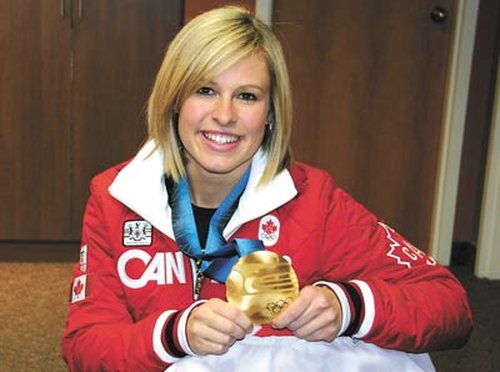
With hockey in her blood, Bonhomme didn’t lack in the support department.
“My mom was the perfect hockey mom and my cousins and aunts and uncles were always around supporting me throughout my career. My sister has always been my rock, always there to listen and encourage me, not quite sure I’d be where I am without her.” said Bonhomme, “I play the game because I love it, but when things get tough I know I can always go back home to Sudbury and they are all there for me.”
It wasn’t just family that Bonhomme had in her corner, she also had the support of her coaches.
“My dad coached me quite a bit growing up, but two other coaches that come to mind are Wally Johnson and Rod Schutt. Wally was my first coach in boys AA hockey who gave me a chance and helped me learn and understand the game. Rod Schutt was always teaching me to be a respectable player, discipline and coach-ability were main things I took from him. He played in the NHL so I was always keen on listening to him.”
Like any young aspiring hockey player, Bonhomme dreamed of skating with the greats. If she had her pick, Bonhomme says, “Either Mario Lemieux or Wayne Gretzky. On the female side I’d pick Geraldine Heaney.”
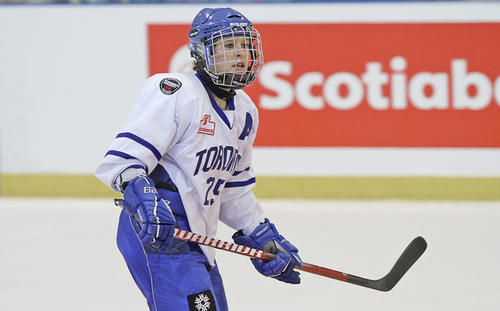
Bonhomme played for the Sudbury Lady Wolves and the Lasalle Secondary School hockey team and eventually captained both before heading to Ohio State to play for the Buckeyes. She was drafted first overall in 2010 by the Canadian Women’s Hockey League and currently plays for the Toronto Furies.
Bonhomme not only excelled at hockey, but competed in soccer, basketball, cross country, and flag football in her high school years. She was the Most Valuable Player of her basketball league as a point guard in 2000. In the same year, she was honoured as Most Valuable Player for flag football.
Recognizing the importance of the role sports played in her formative years, Bonhomme believes, “that all little girls should have the opportunity to take part in any sport or club. Whether they like sports or music and arts, I think that it’s important for them to have the chance to build their self confidence. Sports definitely has taught me a lot about myself, I wouldn’t change anything that has happened to me in my career to date.”
She describes herself off-ice as being, “Out going, fun loving. I like to make the most of things. The happiest people don’t have the most of everything, they make the most of everything. I like to live by that.”

On the international level, Bonhomme has been a part of the Canadian Women’s organization since 2004 and in nine years has racked up six gold medals (IIHF World’s Womens Championships in 2007 & 2012, Women’s 4 Nations Cup in 2010, Air Canada Cup in 2005 & 2006, and an Olympic gold in 2012) and three silver (IIHF’s World Women’s Championships 2009 & 2011 and Canada Cup 2009).
Bonhomme attributes her most memorable accomplishments to her time with the Canadian Women’s team saying, “Vancouver 2010 is pretty hard to beat, but I’ll always remember my first world championships I competed in, it was in Winnipeg in 2007.”
In preparation for the upcoming season, Bonhomme described her typical off-season day consisting of, “Heading to the gym in the morning at Journey to Excel and training with Bryan Marshall then hit the ice for an hour with Adrian Lomonaco for a skills session. After that I usually try to relax and enjoy the nice weather, hit up a jays game, or TFC game. If I’m lucky enough I’ll head home to Sudbury to spend some time on long lake.”
With so much accomplished at such a young age, Bonhomme stays humble. Her goal for this season is, “To be more consistent in my play, become more of an offensive threat, [and] always trying to be a better teammate to help my team win” and is looking forward to, “Training full time and having a busy season. It’s the closest thing we get to a true NHL season.”
An inspiration both on and off the ice to many female players, Tessa Bonhomme shows women what hockey is all about, passion, perseverance and proving that it’s okay to show up the boys!
Summer is winding down and hockey season will be winding up. Strawberry Mango Salsa makes a good pre-game appetizer or post-game snack. No matter what the season (or sport), it’s a Pink Puck guaranteed crowd pleaser.
Ingredients
1/2 cup Mango
2/3 cup Red Pepper
2/3 cup Tomato (we used red and yellow cherry tomatoes)
1/4 cup Red Onion
1/2 cup Fresh Cilantro
1/2 Green Jalapeno Pepper (Use more or less depending on how much kick you’d like.)
6 Strawberries
Juice of 2 Limes
1/2 teaspoon Sea Salt
Directions
1.Peel the mango and cut into small cubes.
2. De-seed the tomatoes and dice.
3. De-seed the jalapeno pepper and dice.
4. Hull and dice the strawberries
5. Finely chop the cilantro
6. Finely chop the red onion
7. Juice both limes – fresh lime juice is key
8. Mix all ingredients in a bowl, add in sea salt.
You can serve immediately or let the flavors blend a bit – it tastes delicious either way. The serving possibilities are endless, we suggest the obvious of eating with Tostito chips, but the salsa is great on salads or served with grilled chicken or fish as well!
In the event you have any left (although it’s highly unlikely!) The salsa will keep a few days in the fridge, storing in a glass container such as a mason jar is a safe bet.
IIA Photography
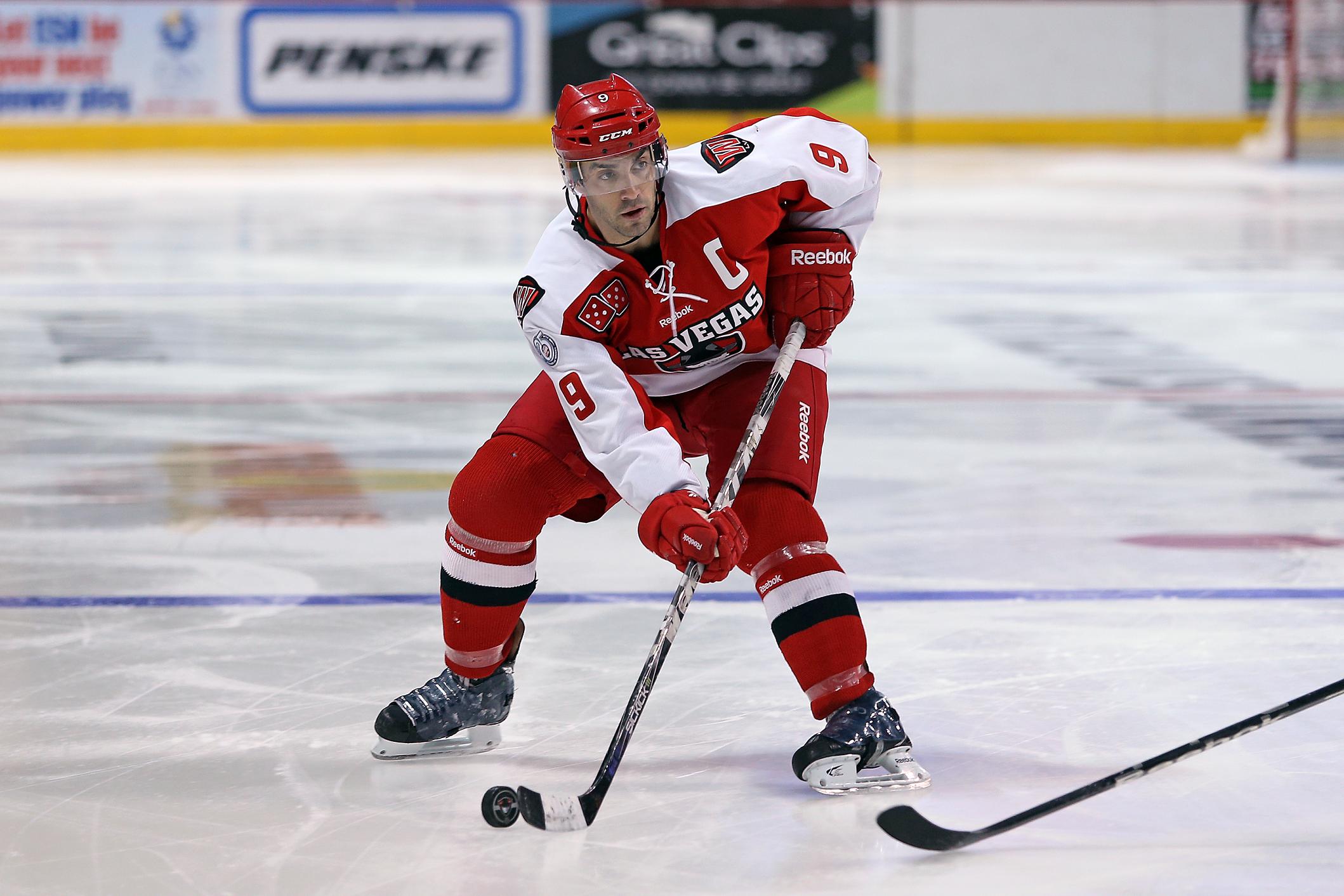
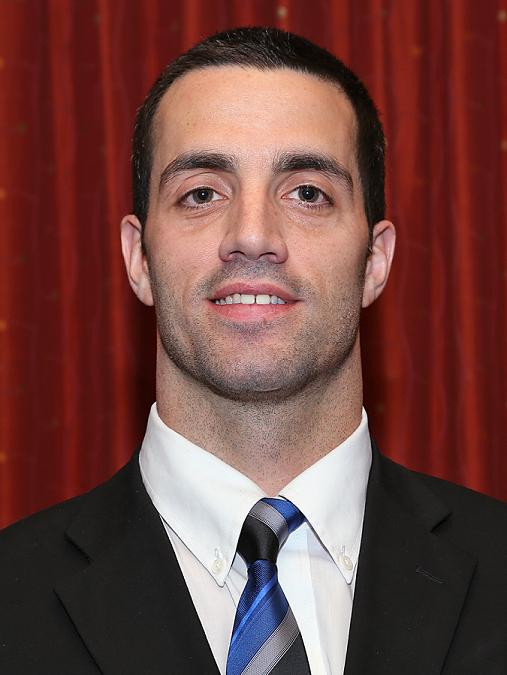
The Las Vegas Wranglers begin the 2013-14 season with a new head coach and general manager, one who is a familiar face to the fans and loves Sin City like a native. Former Wranglers Defenceman Mike Madill has spent most of his playing career with the team, taking a brief journey to play overseas, not Europe mind you but Japan, and then returned to Las Vegas to serve as the teams’ Captain from 2011-2013. It is his first professional coaching in any league but his depth and breadth of experience bodes well for his team. Like most Canadians, life revolved around hockey in his formative years.
“My dad head coached at the college level for a long time, a great programme in Canada, McGill University. He also ran the rink in Montreal. I’ve worked since I was a little kid running hockey schools and camps, so I’ve been around it since, well my whole life has been around hockey.”
It seems that coaching may be in his blood. His father Herb Madill was the head coach at McGill University in the 1970s and his brother Luke now coaches and teaches for Hillview Prep High School in Canada. At the end of the 2012-2013 season, Mike Madill wasn’t necessarily certain where his hockey career was headed. He thought about going over to Europe to play or returning as a Wrangler. He had also contemplated not playing at all especially since he has had surgery on both of his knees along with other injuries and was a little older than most players at the ECHL level.
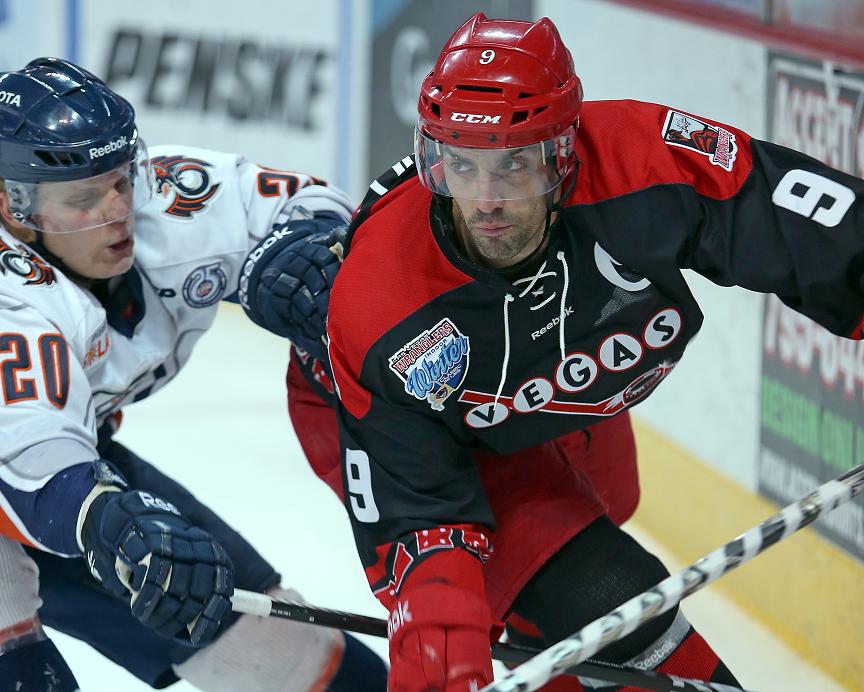
IIA Photography
“I was looking at the possibility of a medical sales job, or maybe starting a little business with my brother in law, I didn’t know if I was going to play, if the team would want me here, or if I was going to go overseas to play…”
The head-coaching job for the Wranglers came about quickly back in April when Madill was asked to replace then Coach Ryan Mougenel for the 2013-2014 season. Madill had served as the team’s captain under Mougenel, who was “excited for Mike and that it was a great opportunity for him.” During his Captaincy, Madill learned much about how the coaching process worked; he was allowed to help in some of the decision-making and shown how to handle travel arrangements and the immigration process for players, so he essentially had a head start when the offer came to coach the team.
“…You know you kind of re-evaluate every summer, but when everything happened it was, just the concept of going overseas and not knowing where you are going to be the next year and the next year, and then having the chance to do something like this (coaching) in what is pretty much my hometown was something I had to jump on, I was honored for the opportunity.”
The Wranglers ownership believes in Madill’s abilities, despite the lack of professional coaching experience and given his background, it is easy to understand why he was their first choice. Madill has been with the Wranglers organization since 2007 with a one-year stint in Japan to play with the Nippon Paper Cranes during 2010-2011 and through two different coaches and several playoff runs, earning him virtually veteran status in the ECHL and a fixture in the Las Vegas Wranglers organization. Coming out of Saint Lawrence University, Madill signed with the Minnesota Wild and as a rookie attended both the AHL and NHL camps. The following year after playing with the Houston Aeros and the now defunct ECHL Texas Wildcatters, Madill was sent to the Calgary Flames organization and went through their camp system, before settling down with Las Vegas. Having gone through the training camps at every level gave him a lot of insight into what makes a good hockey player and what teams are looking for in a player. He also realized that timing and luck play a big role in your chances at Living the Dream and what you imagine your life to be when you are a kid isn’t always the way it unfolds.
“There are so many good players out there, so many big strong guys that are good at hockey, it’s not as easy as you think when you are a kid growing up to get a chance to play in the NHL. I would think a lot of it is timing and that’s something I’ve learned along the way and not that I’ve got comfortable playing in the ECHL but I think a lot of it, when I first started, I said ‘you know I’d like to play 3-4 years in the minor leagues before I start a career in Europe if I don’t get to move up’ but, things definitely changed when I met Autumn, my wife in Vegas.”
Las Vegas became his new home and so when the opportunity to coach the Wranglers and stay in the city he has grown to love came up, it was an easy decision. “I’ve played for this team for so long, I love this team the fans are so loyal, the organization is so professional.” He is happy the organization has the confidence in his leadership and he believes his past experiences at all levels will guide his coaching. He knows it’s a big jump going “from being a teammate with these guys to being a coach.” Madill says the transition won’t be as difficult as it could be, given that he served as the team captain for the last two years and he didn’t live in the team housing except during his first year with the team. He feels that through circumstance he has already had a separation in place for a while with his teammates. The most significant difference for him is the business aspect of the game that he didn’t have to worry about as a player.
“I’m not totally fresh to the situation, but I think the biggest difference is the general manager side of things where you have to start looking at salaries and trying to keep things where they are budgeted, that’s the biggest difference. Usually you go home (during the summer) as a player and you go to workout, or hit up the golf course, or work a hockey school, but I’ve been at the rink just about every day trying to learn how the business side of things works. That’s a big change but I like that stuff, it’s been a lot of fun and the organization has been great to me, and helped with anything I’ve asked for.”
One of Madill’s first tasks as Head Coach will be to start building the team for the 2013-2014 season. He has always felt that both former coaches Mougenel and Gulutzan brought in quality guys to the organization and he wants to continue that trend. He’s talked to all the players who were here last year and knows that some of them want to move up or play overseas so he is trying to give as much time for decision-making as he can given the constraints he has to operate under.
“A lot wait until the end of July to decide to go overseas or get an American League deal. That’s how it works. The business side of it, the timing, is kind of crummy. I would have my whole team back if they wanted back and if guys have a great opportunity someplace else that’s totally fine with me, I understand how it works. We will just start filling the holes after I see what spots need to be filled”.
Madill is interested in players that show up, continue to work hard through a long, difficult 72 game season and find ways to win games even when they are tired, hungry and on day 9 of a 10-day road trip. Being able to find balance and be mentally tough is a key skill at any level.
“You need guys that are mentally strong to play whether they have energy or not. I think I am looking for a couple more energy guys this year to keep the pace up even when things aren’t running as smooth as they could be.”
Ultimately, Madill wants players on his team to be happy and have a chance to play their dreams and succeed beyond the minor leagues.
“I’ve seen young players come through here, who climb the ladder and end up playing in the NHL right now so that’s my goal…I want them to play their roles and get better with that and whatever they are good at…help them get to the next level. I’m going to look at building off those kinds of things.”
This article was originally published for The Bulls Sheet, a minor league hockey website.
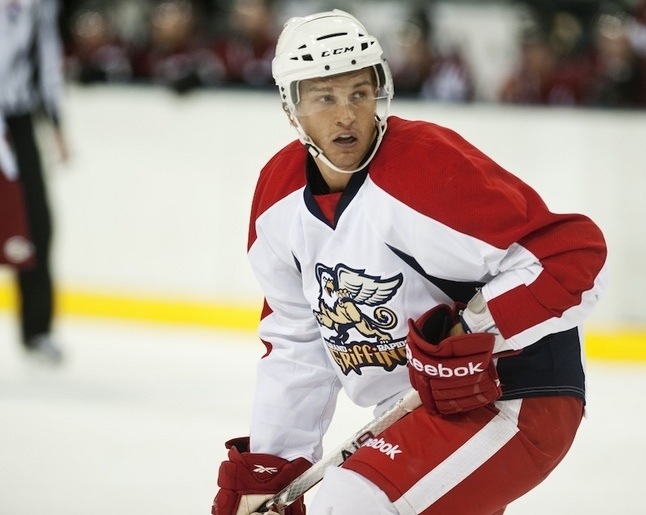
Growing up, most young hockey players dream of the same thing. They want to play in the Stanley Cup Finals and hoist the elusive Cup over their heads in front of thousands of fans. Not everyone that makes it into the NHL gets to achieve this goal, but for those that do it’s an experience they’ll remember forever. Before some players find themselves chasing the Stanley Cup, they start in the American Hockey League. There they chase the Stanley Cup’s younger brother, the Calder Cup.
During the 2012-2013 season, the Grand Rapids Griffins, AHL affiliates of the Detroit Red Wings, came out on top in the race for the Calder. It was an exciting moment for a team where not many members had hoisted the Calder Cup before. But it was even more exciting for Luke Glendening, a rookie born and raised in Grand Rapids.
“It was pretty awesome. A lot of people play their whole careers and don’t have the opportunity to do that,” Glendening said. “It was really neat for our team. We had a really close team and the leaders really carried us through. Things got rough a little bit in the playoffs.”
The Griffins were not a team everyone expected to come out on top going into the postseason. You have to win 15 to hoist the cup in the AHL. On the way to the ultimate win, the Griffins had to play 24 total games, losing 9 before finally winning the game that mattered.
“I don’t know if we ever felt like the underdogs. I think we felt that we had something to prove. We made it difficult on ourselves, that’s for sure,” said Glendening. “Every time we were close to clinching, we would lose a game and have to play a game 6 or 7. I think we felt fine until we got to the Finals. We were kind of the underdogs there a bit.”
Glendening has not had his day with the Calder Cup. He gets it on August 23rd and has not yet figured out what he’s going to do. Having been born and raised in Grand Rapids, the Cup has already been all around his hometown. It was a very interesting situation for Glendening to play professional hockey where he grew up.
“There are good parts and bad parts. I love being able to walk around when we’re home and see so many familiar faces. That was special and it was special to be able to win a championship in the city where I was born and raised,” Glendening said. “At the same time, I haven’t traveled that often. I love going new places. Fortunately, we travel a lot with our schedule and I’ve been able to visit different places.”
Before joining the Red Wings organization this past season, Glendening played his college hockey at the University of Michigan. It might not seem like the most traditional path to take to play college hockey. But it ended up working out really well for him.
“They were actually the only school that gave me the opportunity to play hockey. It definitely wasn’t a bad option,” Glendening said. “I went out east for boarding school for a year and they were recruiting two kids on my team and they offered me a preferred walk on spot. It was the only school in the nation that was willing to offer me even that position. I couldn’t resist.”
It was not a surprise to him that he was not highly recruited heading into college. People have cautioned him throughout his career that he might not have what it takes to continue playing hockey. He is just thankful that the path he took has given him these opportunities.
“It was something that I wanted to pursue but a lot of people told me I probably would never make it. I kind of took a different path than most people. Here I am though and somehow we all end up in the same spot,” Glendening said. “I definitely have no regrets. I’ve learned a lot along the way. There’s been trials and tribulations, but I feel blessed to have the opportunities that I’ve had.”
This path that he has taken earned him a contract with the team that he grew up watching. As is the case with many players making the jump to pro hockey from college, the biggest adjustment for him was simply the number of games. Especially considering the length of the run the Griffins had going to the playoffs, it was well over twice the games in a normal college season. But there were good parts as well.
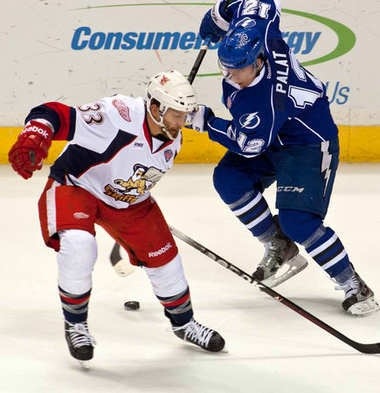
“I think just the amount of games was the biggest difference. I played over a 100 games this year in comparison to the 40 I played in college,” Glendening said. “I liked it a lot more in that I didn’t have to worry about school or the exam I had the next day when I had a big game as well. That was nice, I liked the free time I had (this year). I feel like I was able to enjoy myself a little more.”
In June of 2012, after finishing his time at the University of Michigan, the Grand Rapids Griffins signed Glendening to an AHL contract for the coming season. He ended up spending 27 games in the ECHL with the Toledo Walleyes while he adjusted to the difference in the pro game. It was a time he was really thankful for going forward.
“I really learned how to be a pro. It’s doing the little things that it takes like working out after practice. I think that’s huge and it was integral to my development as a player,” said Glendening. “I learned a lot from the coaches there and the other players there. I think that was huge in my development and I don’t think I’d be where I am today if I hadn’t played there.”
When he was called up to Grand Rapids, he was really excited to get back to his hometown and have his shot at the AHL. He definitely made the most of his chance and really came alive during the Griffins playoff run. He exploded for 16 points during the 24 game playoff run and was a valuable member of the team. His play got him noticed by the Red Wings, who offered him a one-year, two-way contract for the upcoming season.
“I’m excited for the opportunity, it’s a dream come true to sign with the team that I’ve been watching my whole life,” Glendening said. “It might be a long shot for me to play a game with them this year. It’s an opportunity and it’s a foot in the door. I’m going to make the most of it.”
No matter how much of a long shot it is, Glendening hopes to make it into a game with Detroit one day. For now, he will settle on working on his game. With a pro season under his belt he has a better idea of what parts of his game need work. He knows the importance of hard work when it comes to playing hockey.
“First and foremost, I need to work on my skating. That’s what they told me the most about is making sure my skating gets a little better,” said Glendening. “Then I think your game can always improve. My hands, my shot, and my consistency are things I need to work on.”
Throughout his career, Glendening has tried to make the most of the chances that he’s been given. It comes from an early start both skating and playing hockey. He was grown up with this and started so early, he doesn’t entirely remember it.
“My mom said I was on roller skates at 18 months and that’s her story. I think it’s true, that’s what I’ve heard her say,” Glendening remembered with a laugh. “I started playing hockey when I was around 5. I don’t really remember those days though.”
When it comes to shaping a career, any given hockey player can probably point to a number of different people that had an impact. A lot of players get support from their parents when it come to driving to practices and away games. Glendening is no different in being thankful for everything his parents have done. But for him, the support has gone even farther.
“My parents were the ones who stood behind me when people said I was never going to make it. I’ve had coaches who have had great influences on my life. They’ve taught me the game and what it means to be a hockey player,” Glendening said. “But my parents have stuck with me through thick and thin. They’ve believe in me even sometimes when I didn’t believe in myself.”
While hockey definitely takes up a lot of time, he still feels like he has a good amount of down time as well. Since Glendening is playing professionally now as opposed to playing in college, he doesn’t have to worry about a class schedule on top of hockey. So in the time he’s not playing hockey, he’s got a few things he focusing on.
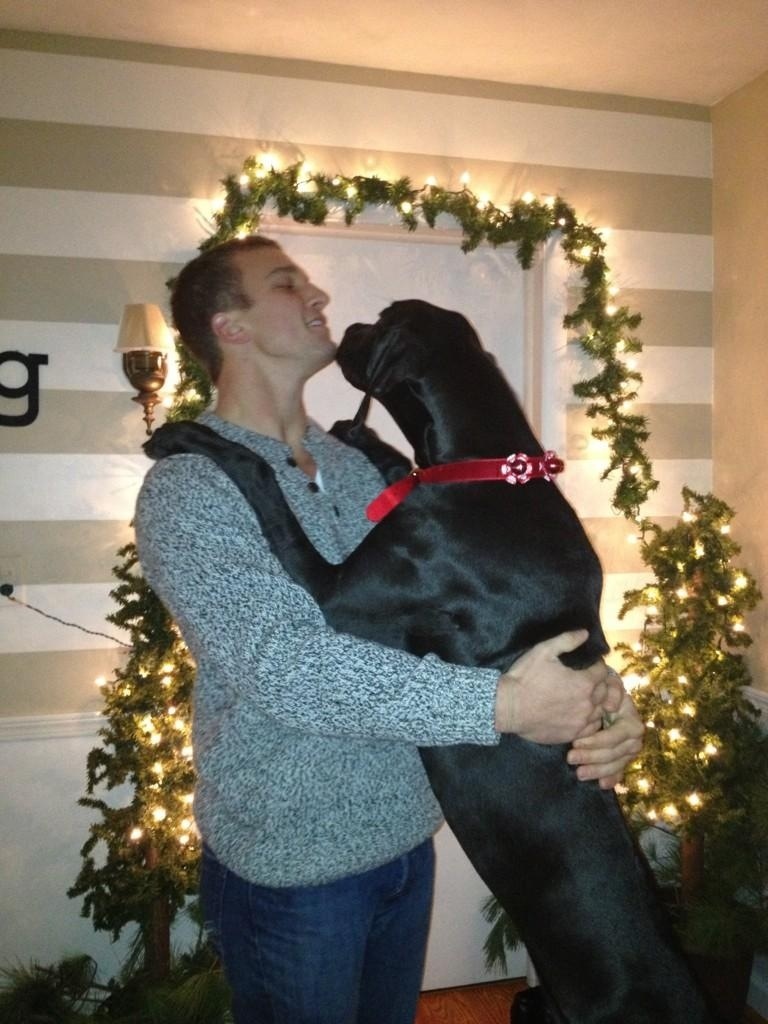
“I have a dog so I take her to the park a lot. I spend a lot of time catering to her because she just turned a year. This past season was a bit trying at times. I also like to read,” said Glendening. “In the summer I love to fish and I love to go to the beach.”
We found out that not only does Glendening have a dog that’s young, but his dog, Lucy is a Great Dane. Being in Grand Rapids, there is a lot of travel associated with the schedule. The teams that the Griffins play are not all that close by as the teams in the northeast are. So, what made him decide on such a big dog and how does he manage on road trips?
“I saw the movie 7 Pounds and thought that was a cool dog, so I really wanted one. I always wanted a dog in college but my parents are right and it would have been way too much work,” said Glendening. “I wouldn’t be able to take care of her by myself but my parents have been great. They take care of her when I go on the road.”
With the summer quickly coming to a close, Glendening is getting ready to join the Red Wings organization for a second year. Although he feels like NHL is still just a dream, he will be working hard to continue to improve his game. One thing is for sure, he has never let someone tell him he couldn’t follow his dream of playing hockey and that isn’t something he’s going to start doing now.
 Prev1...350351352...412Next
  Page 351 of 412